Operational Definition
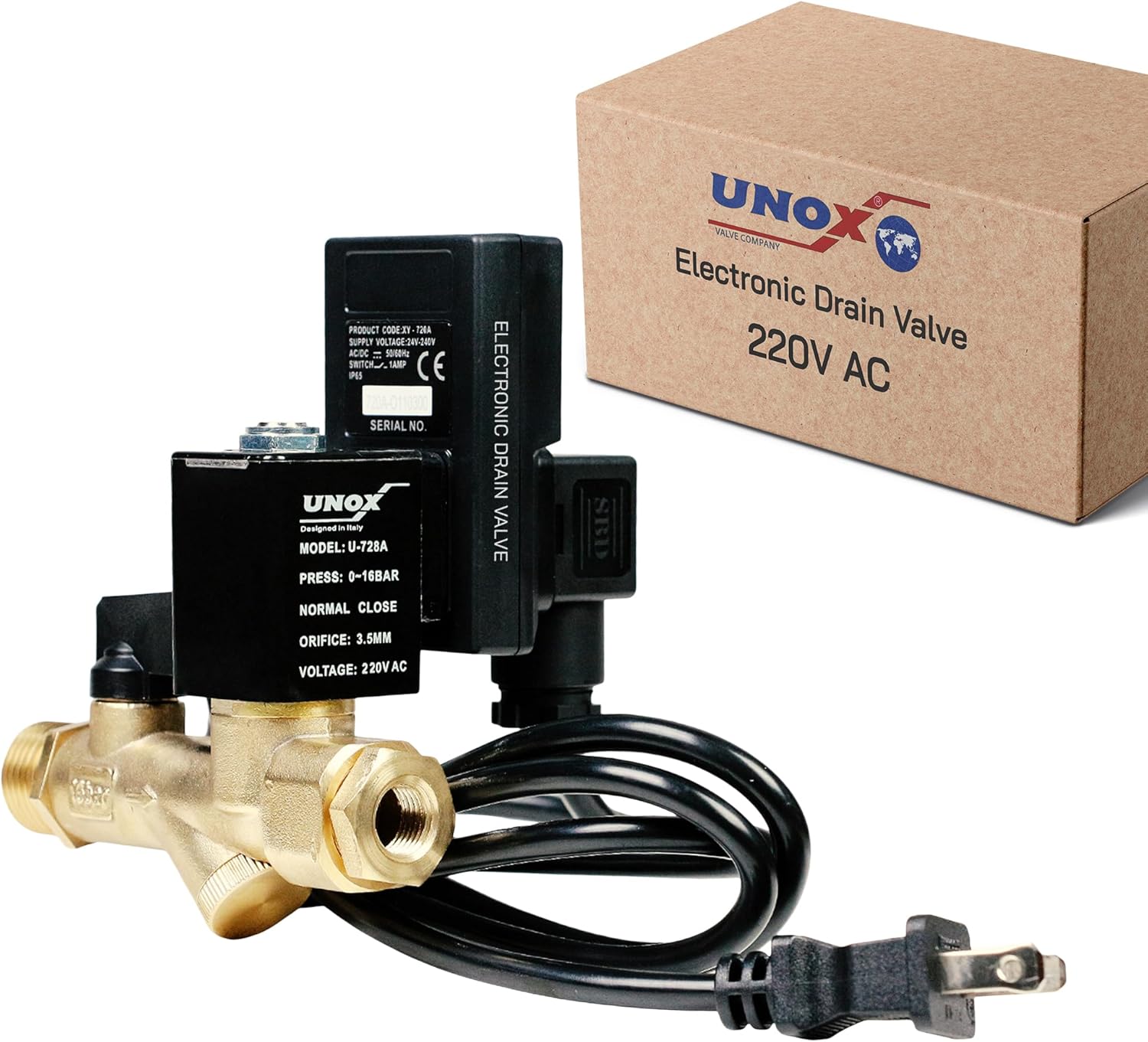
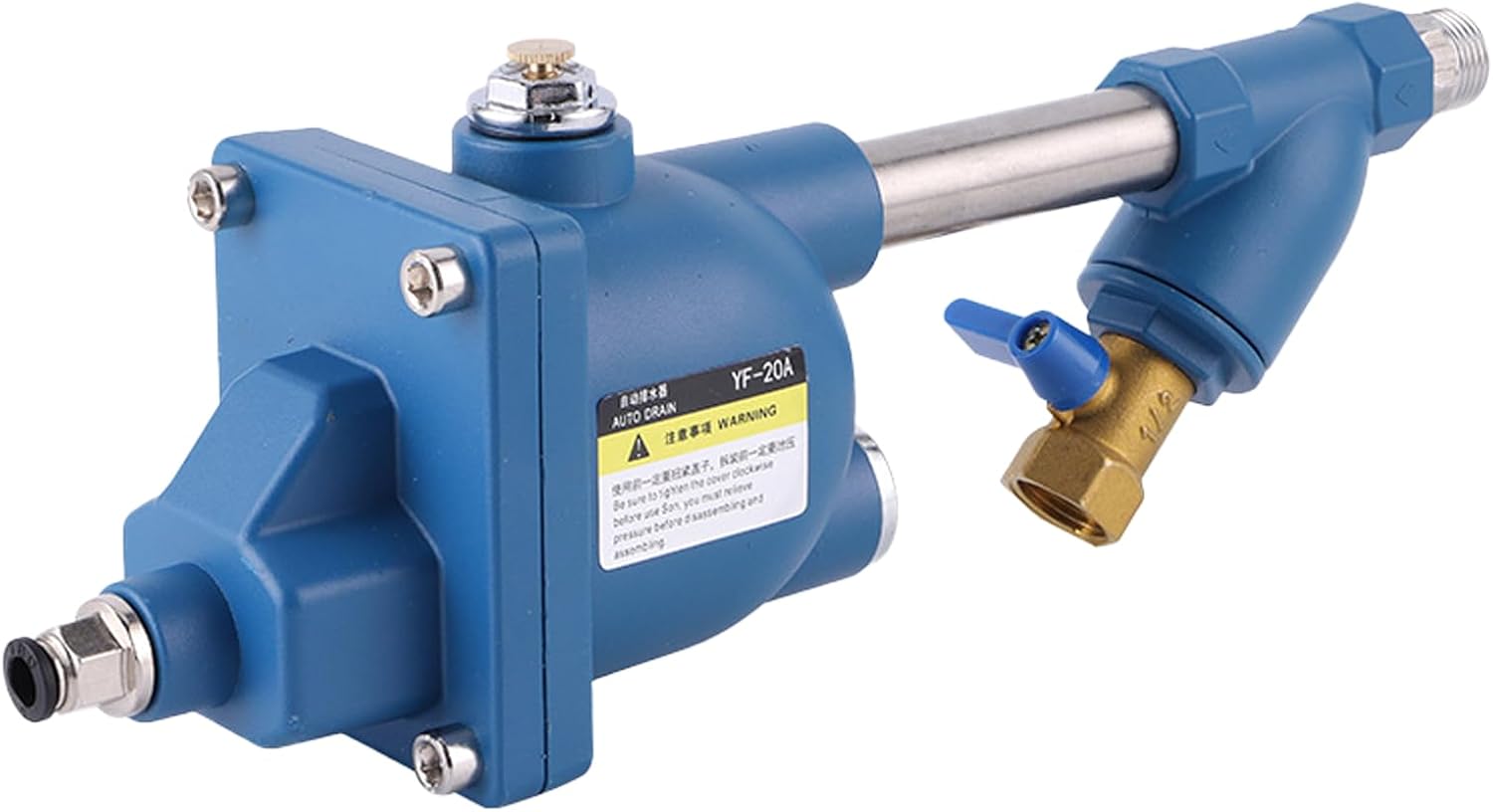
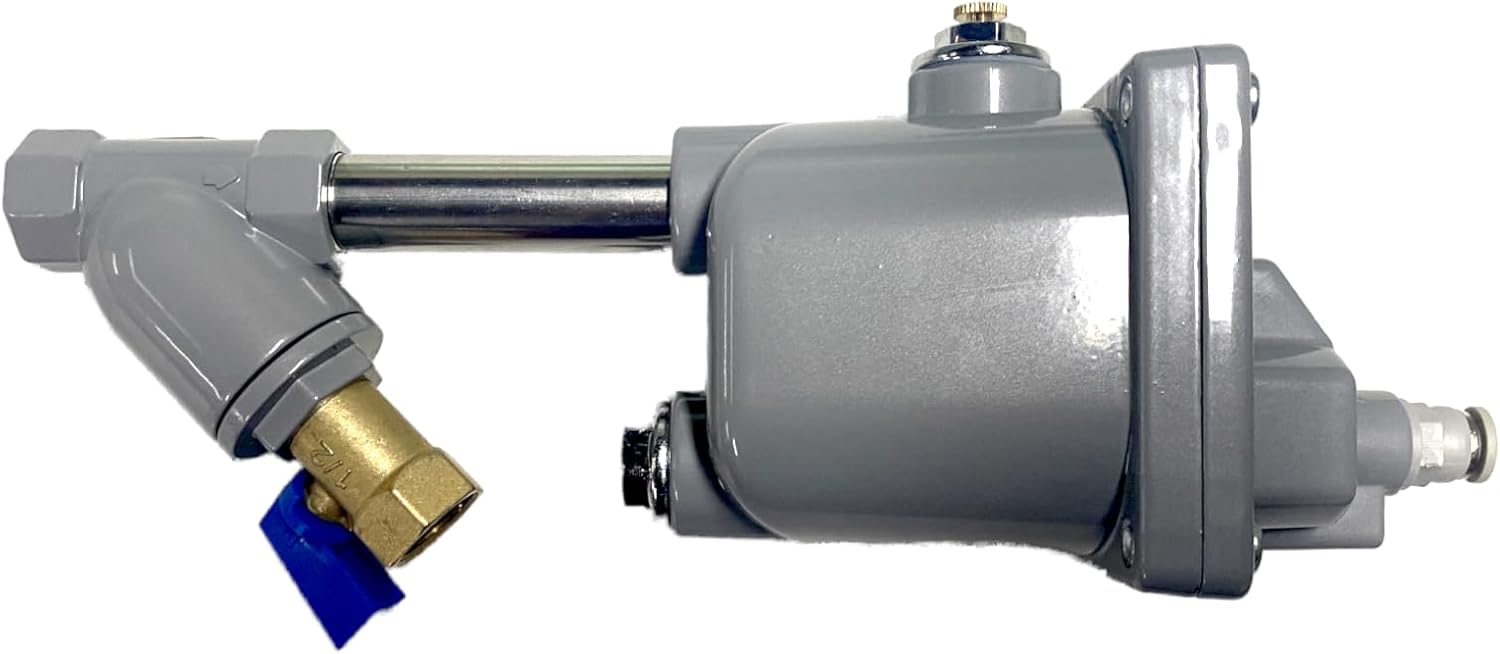
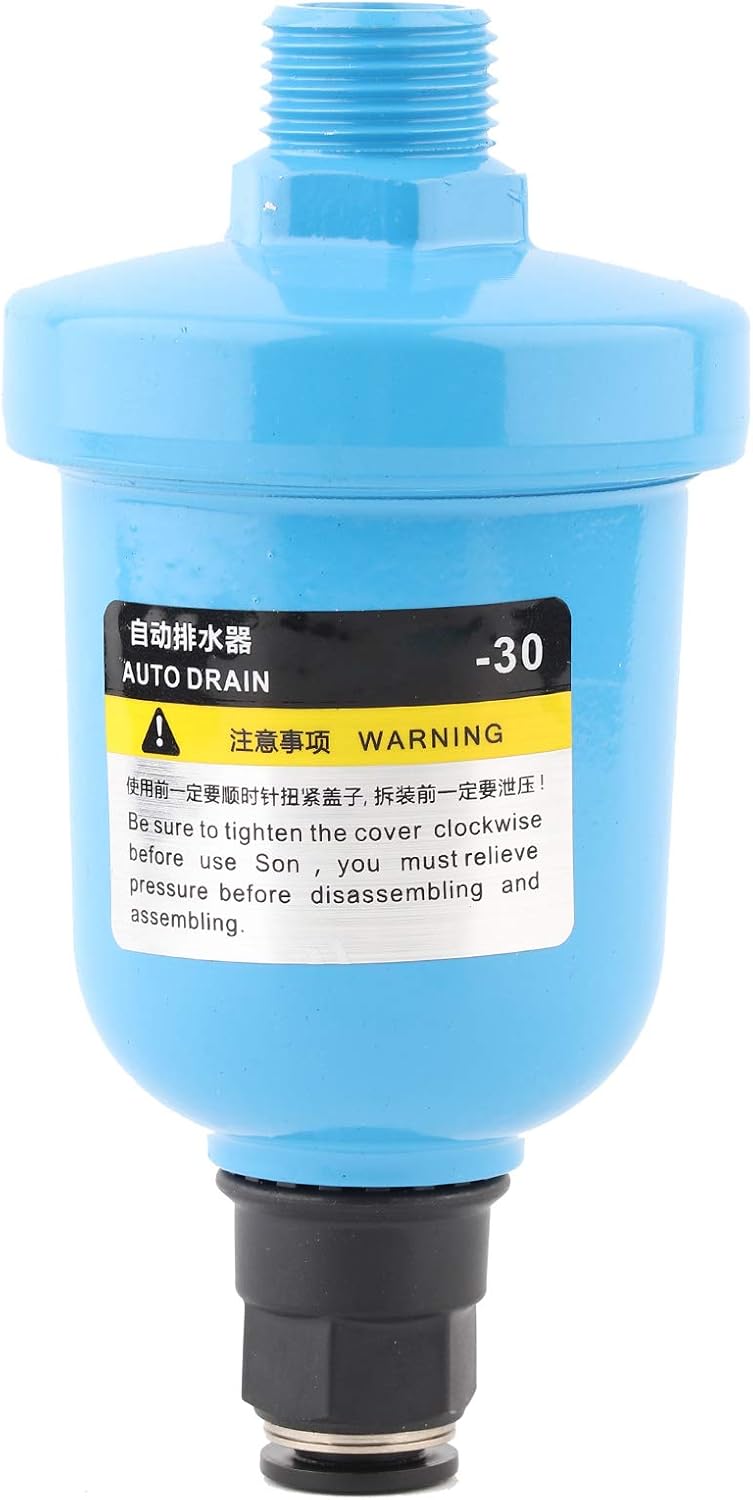
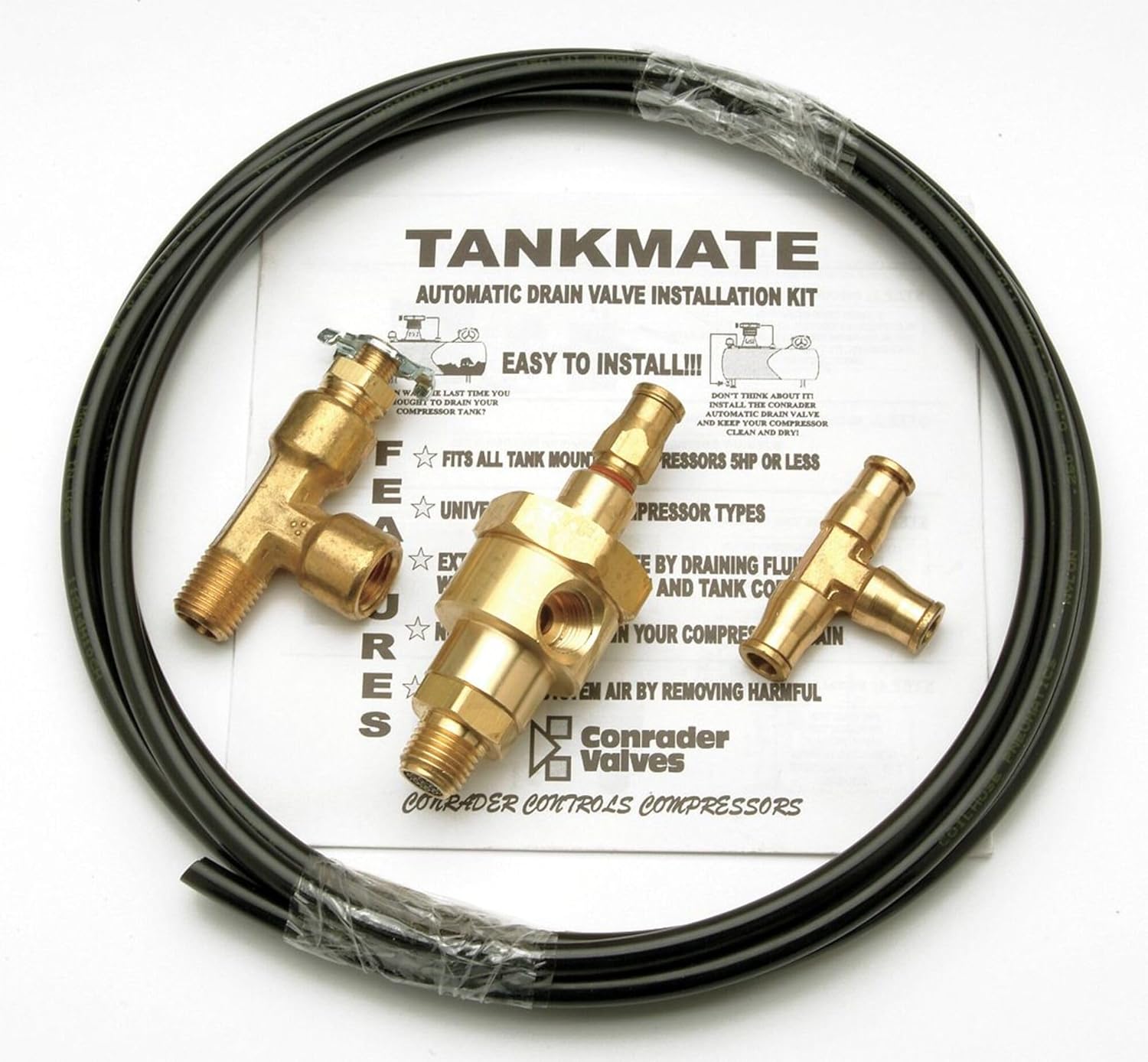
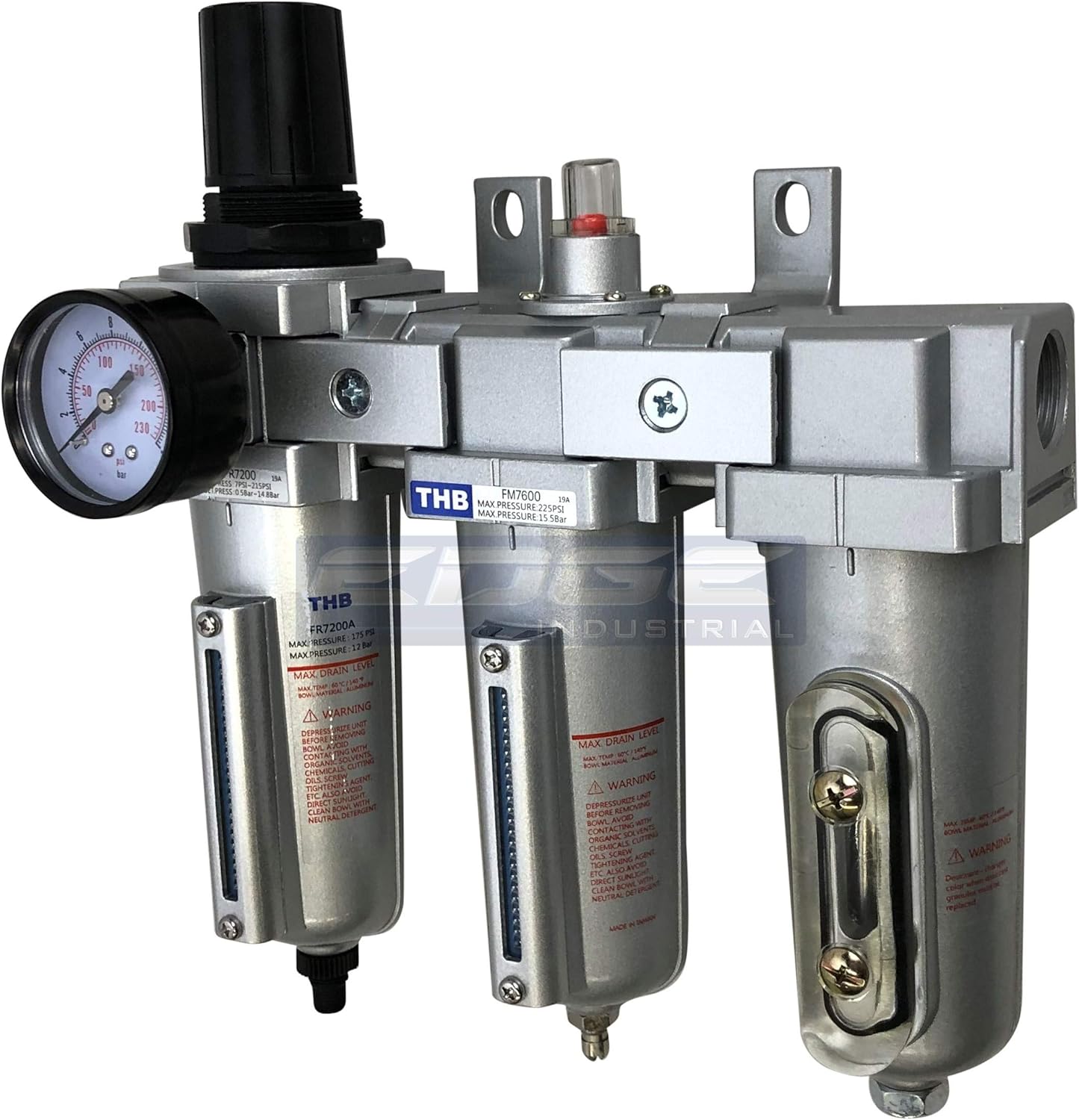
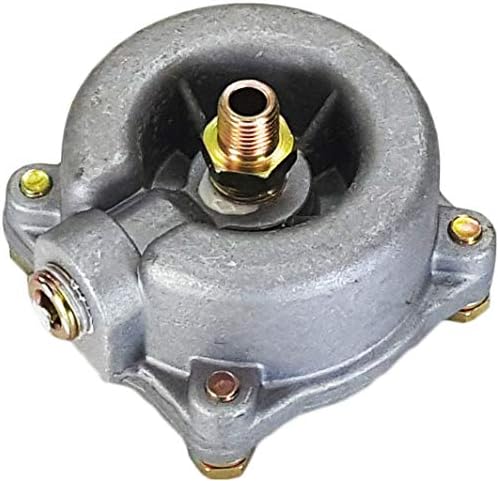
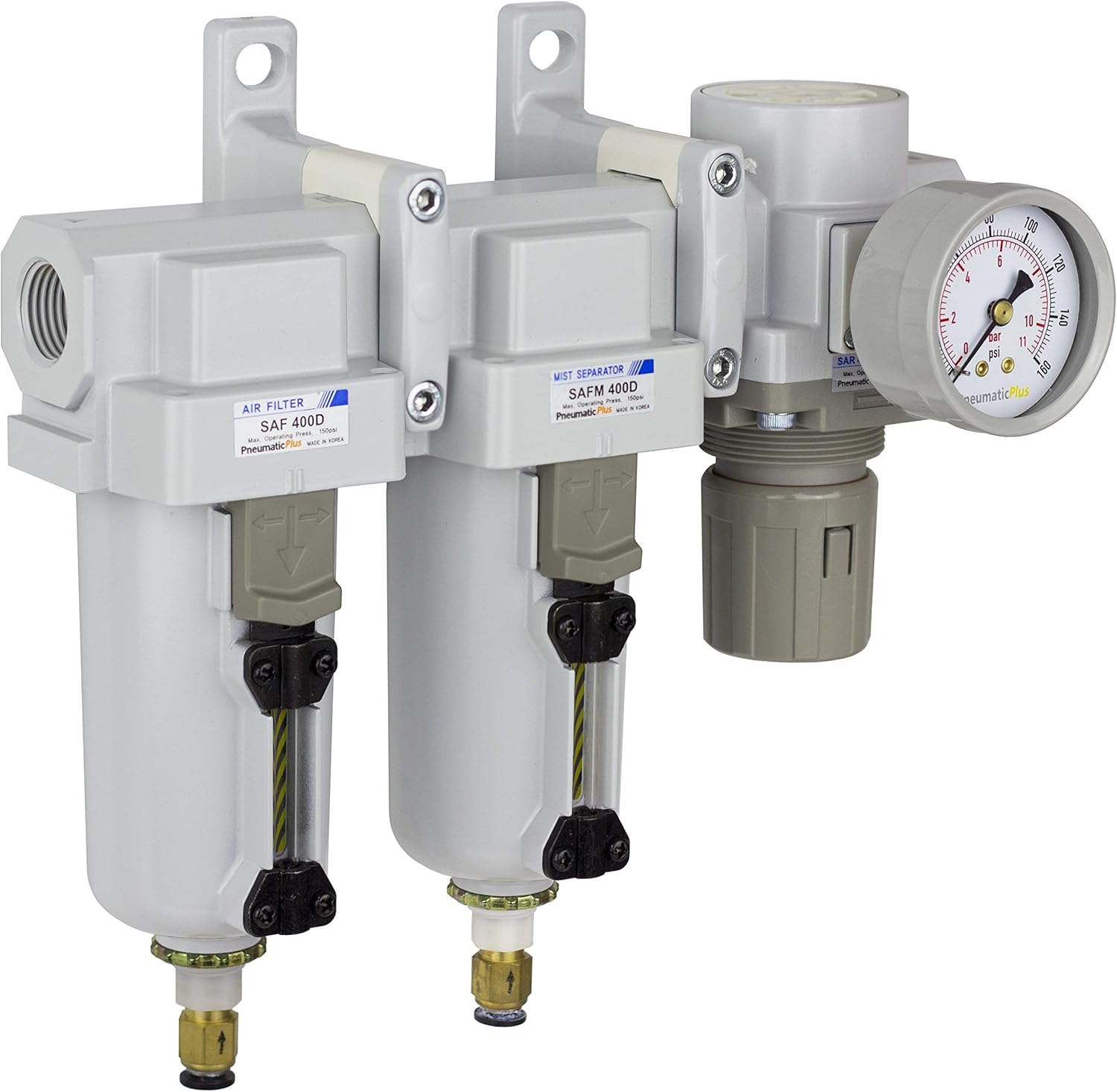
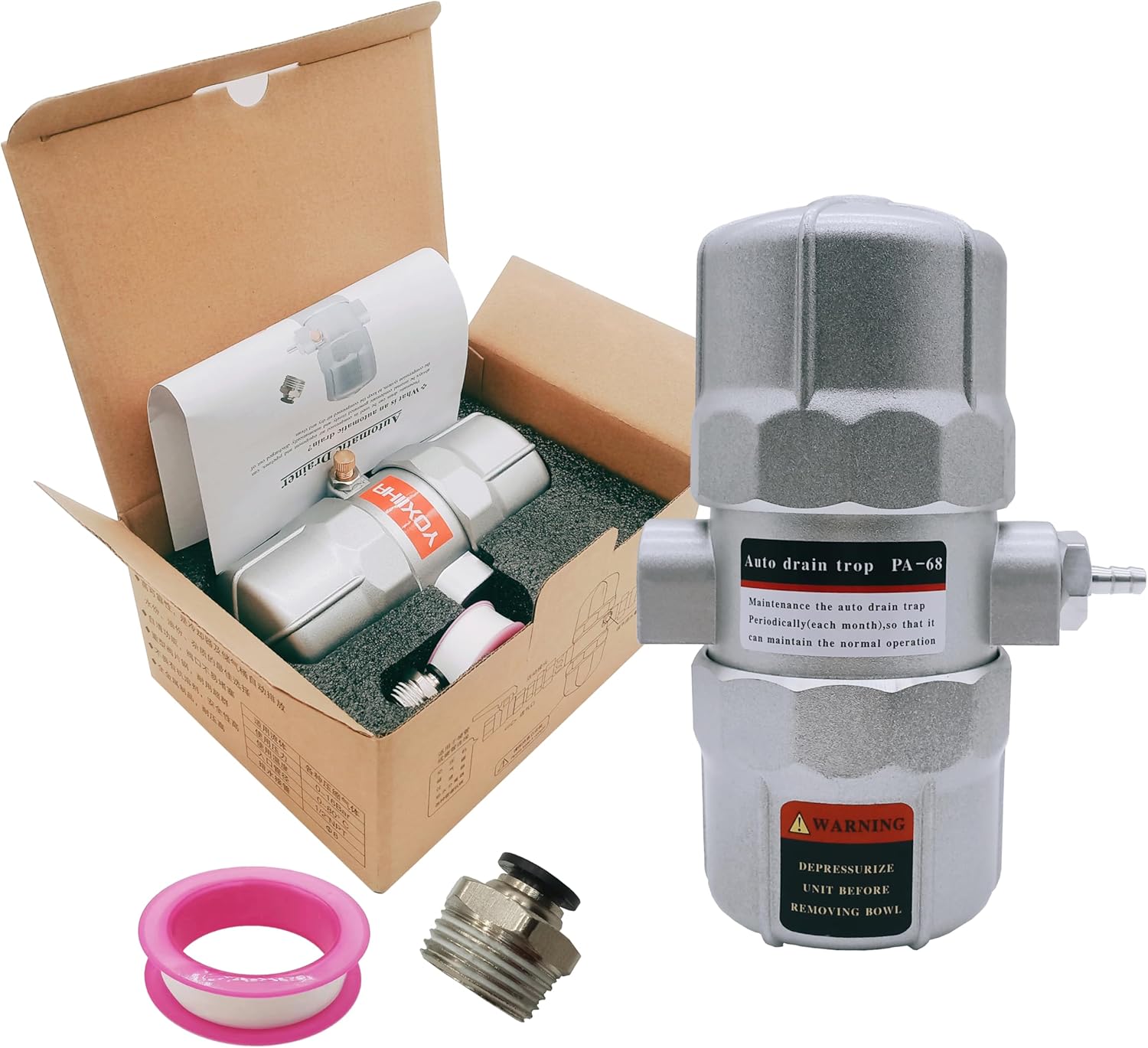
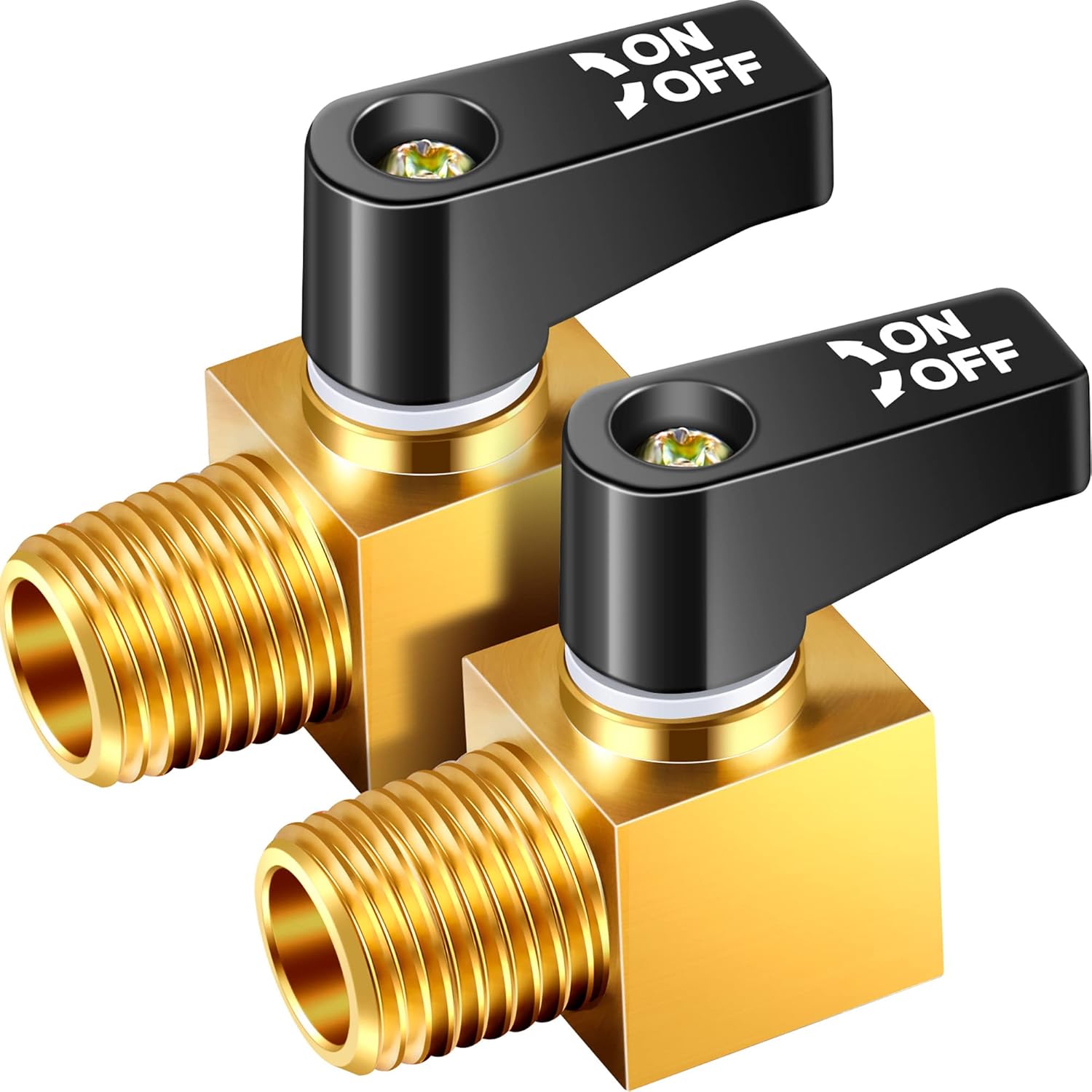
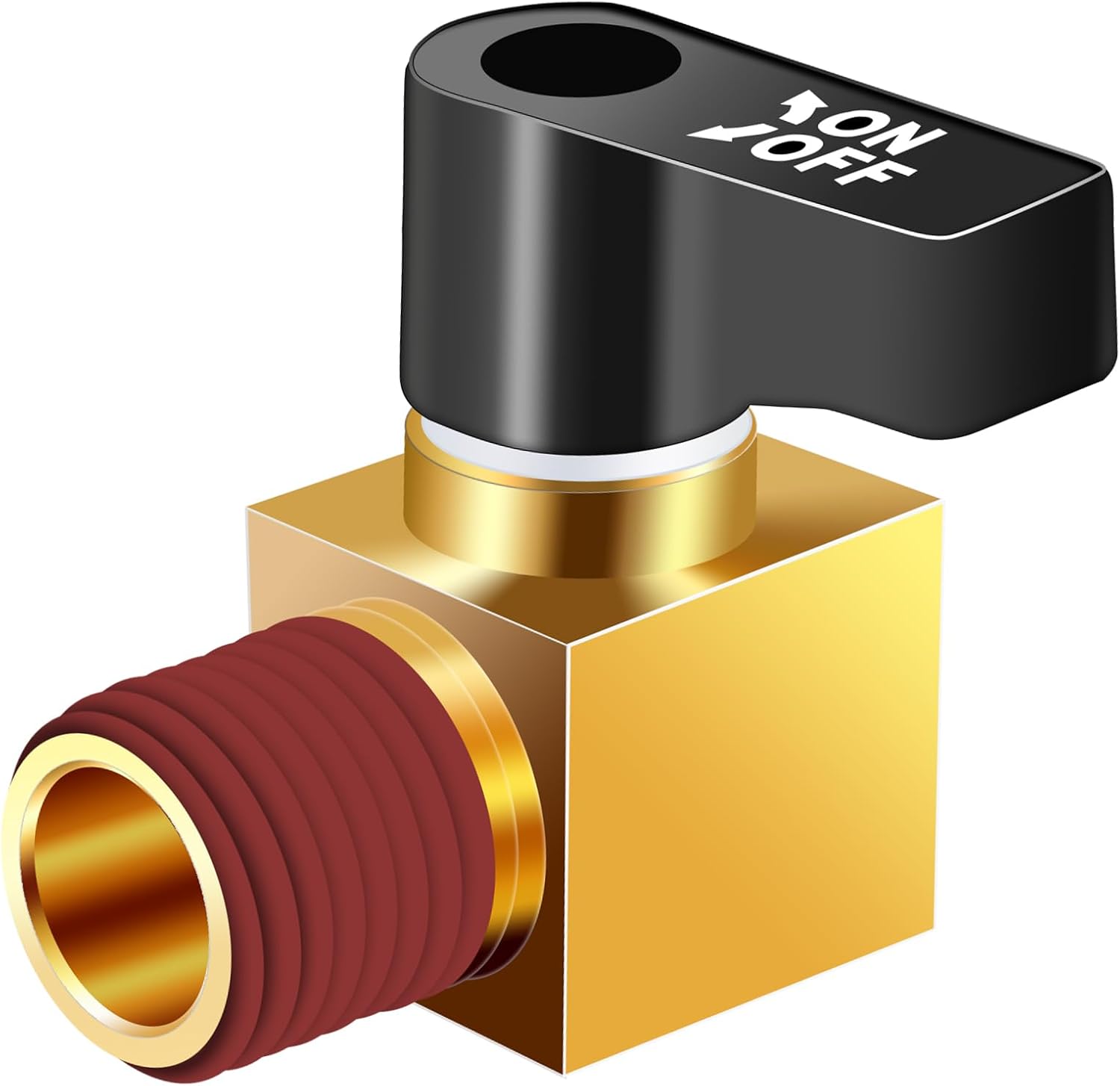
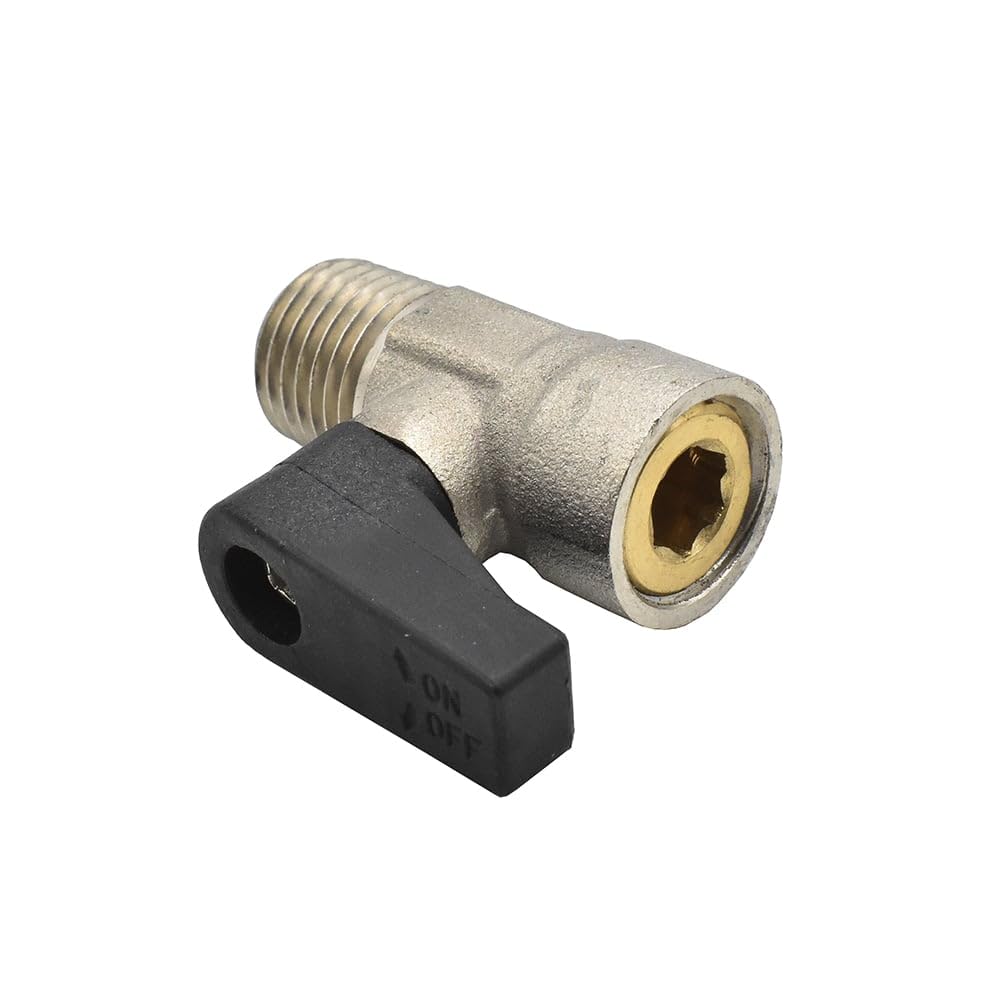
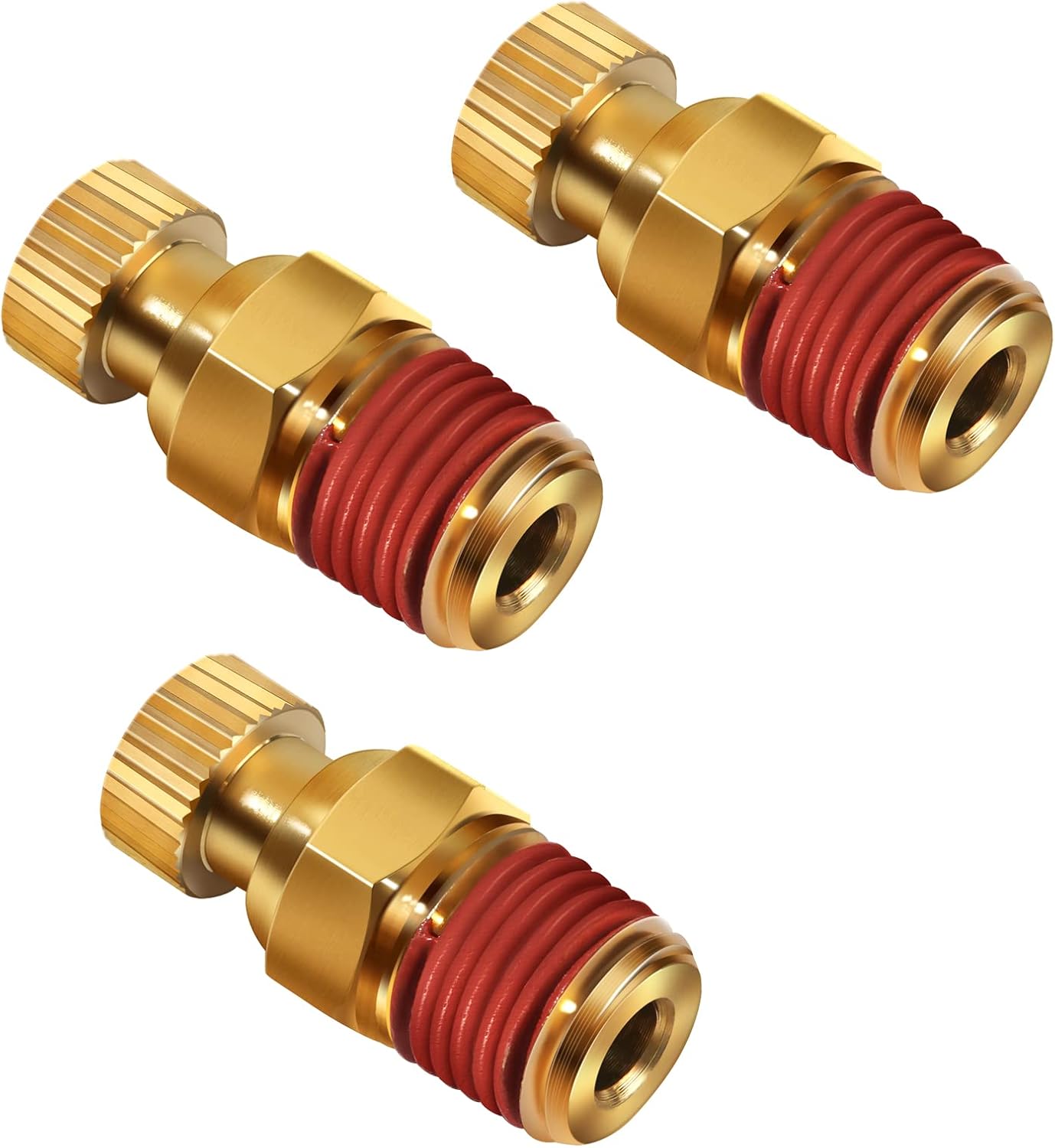
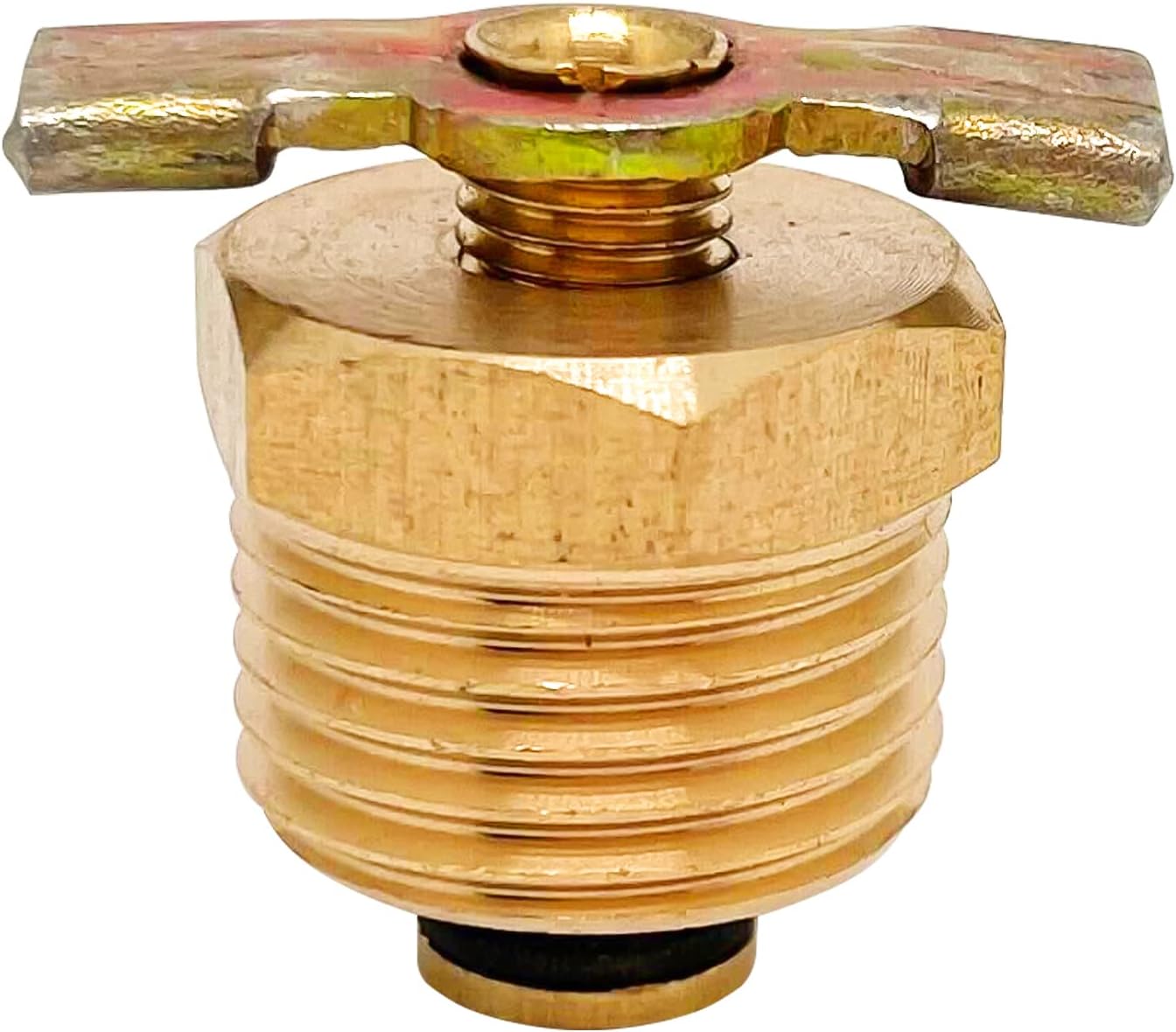
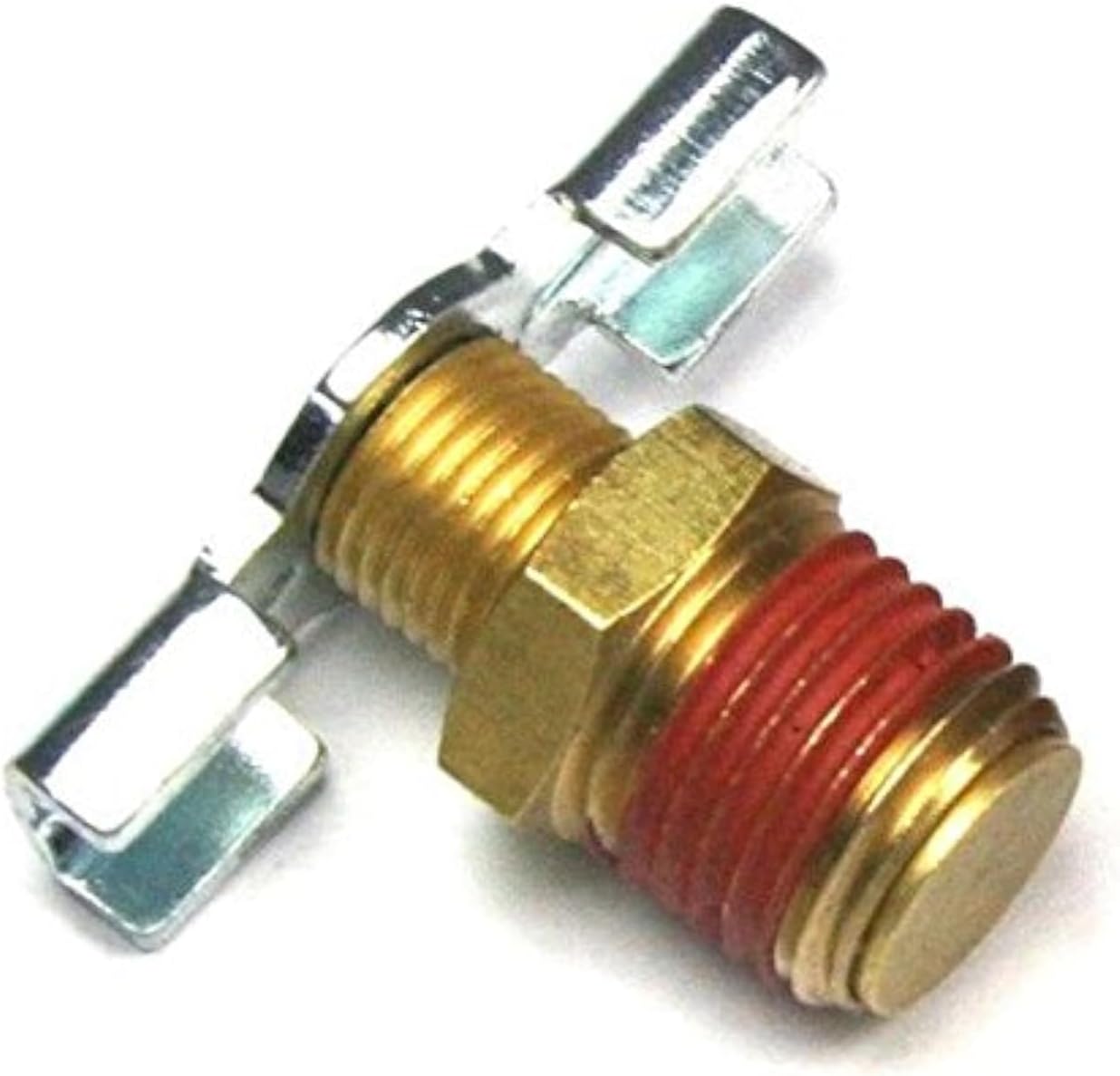
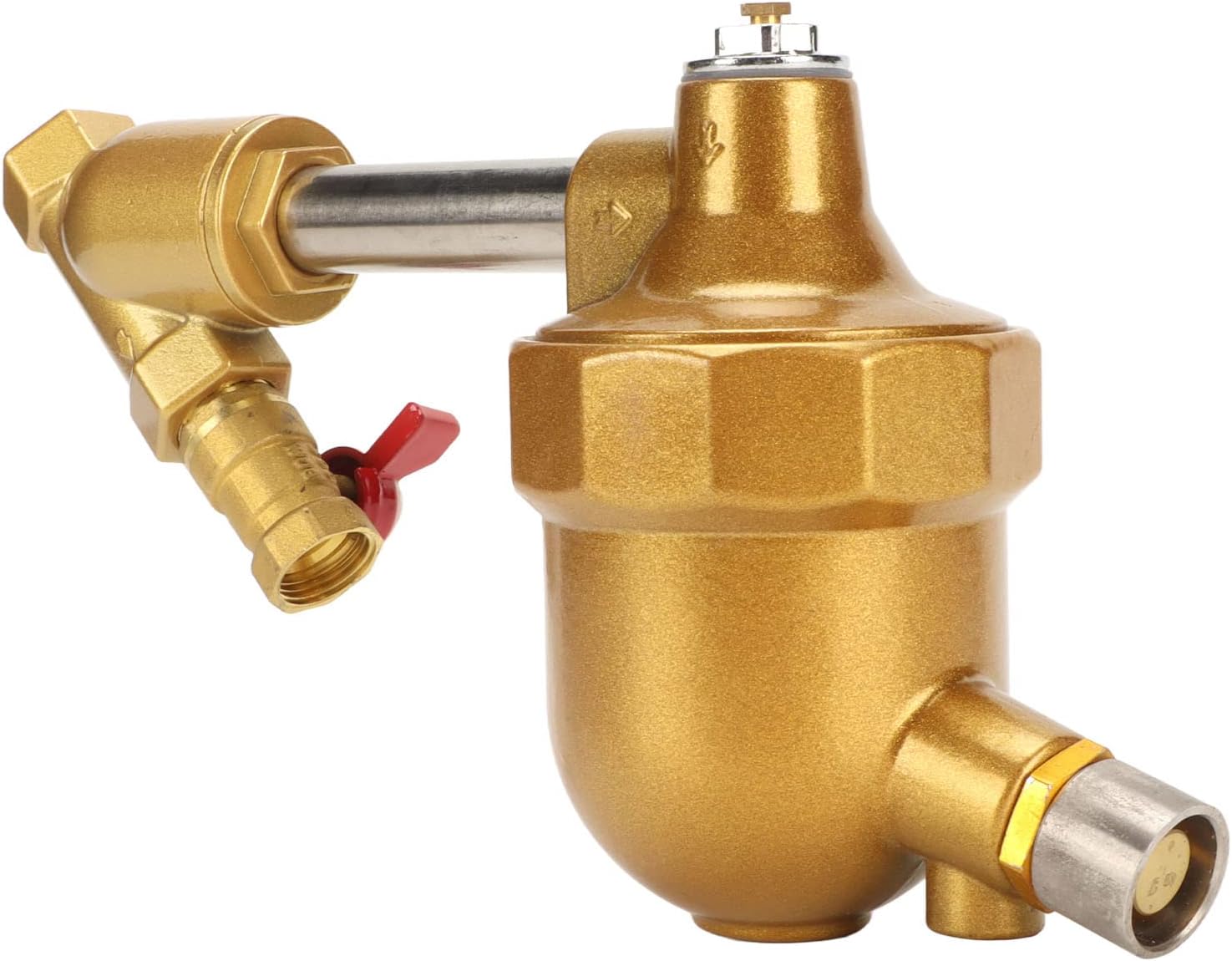
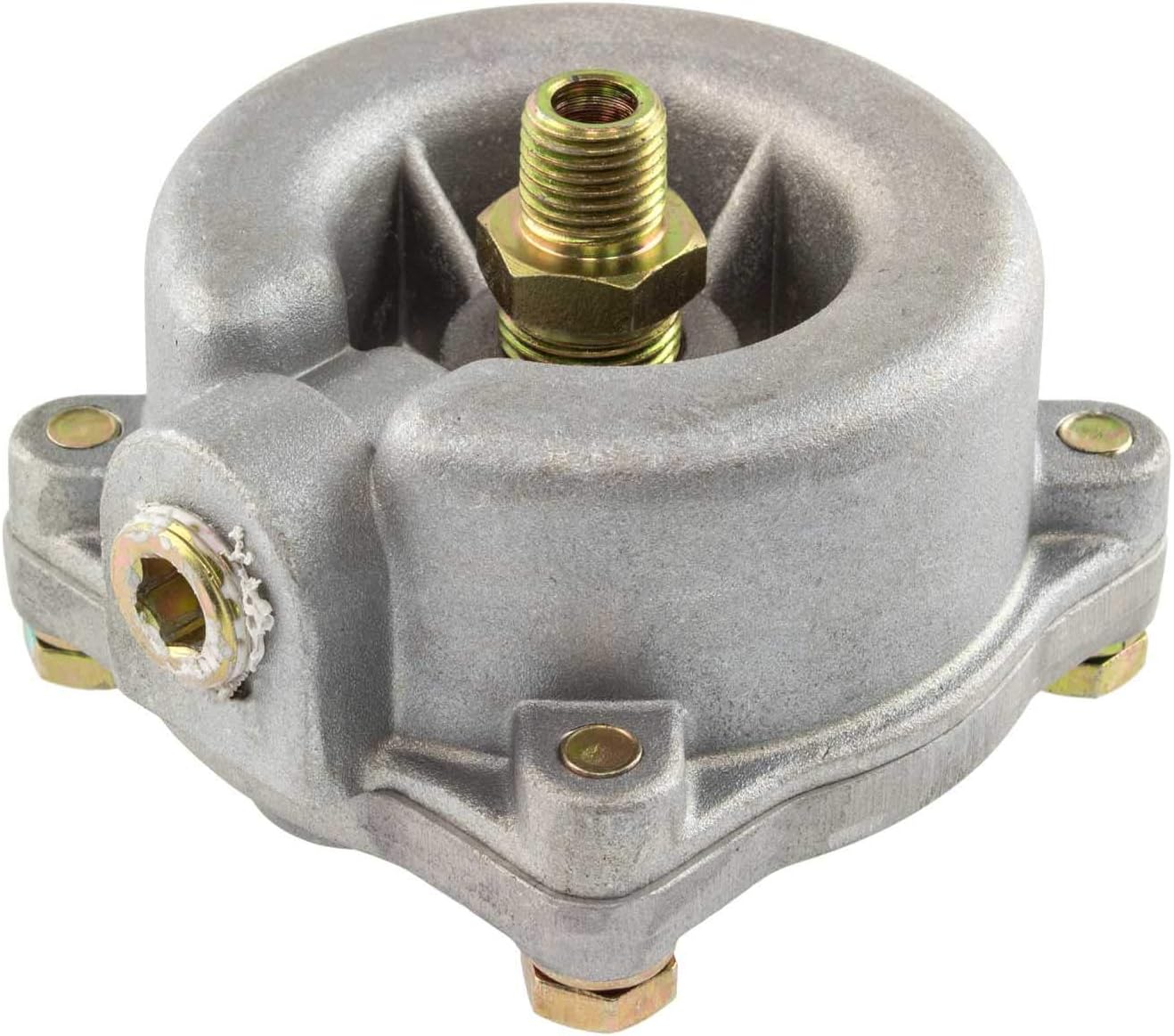
A Sensor-Based Auto Drain Valve is a device installed in compressed air systems,
steam systems, or industrial pipelines to automatically remove accumulated condensate (water, oil, or other liquids) without manual intervention.
The valve uses a sensor to detect the presence of condensate and triggers the valve to open and discharge the fluid,
preventing system damage, corrosion, or performance loss.
- Automatically removes condensate.
- Reduces maintenance needs.
- Improves system efficiency.
- Often used in compressed air and refrigeration systems.
Working Principle
The working of the sensor-based auto drain valve is as follows:
- Condensate Accumulation: During operation, compressed air or other gas systems produce condensate.
- Sensing: The sensor (electronic, float, or optical) detects the presence of liquid in the drain chamber.
- Signal Trigger: When the liquid reaches a certain level, the sensor sends a signal to an actuator or solenoid.
- Valve Operation: The valve opens automatically, allowing the liquid to drain.
- Valve Closes: Once the liquid is discharged, the sensor signals to close the valve, maintaining system pressure and efficiency.
Advantages: Prevents system damage, reduces energy loss, and allows continuous operation without manual intervention.
Diagram
       ┌───────────────┐
       │  Compressed   │
       │   Air Line    │
       └───────┬───────┘
               │
           ┌───▼───┐
           │ Drain │
           │ Valve │
           └───┬───┘
               │
        ┌──────▼──────┐
        │ Sensor Unit │
        └──────┬──────┘
               │
       ┌───────▼────────┐
       │ Condensate     │
       │ Collection     │
       │ Chamber        │
       └────────────────┘
Specification Sheet
| Parameter | Details |
|---|
| Model | [Enter Model No.] |
| Type | Sensor-Based Auto Drain Valve |
| Application | Compressed Air / Steam / Industrial |
| Valve Type | Solenoid / Pneumatic / Electric |
| Connection Size | [e.g., 1/2″, 3/4″] |
| Operating Pressure | [e.g., 0.5 – 16 bar] |
| Operating Temperature | [e.g., -20°C to 80°C] |
| Drain Capacity | [e.g., 10 L/min] |
| Power Supply | [e.g., 24V DC / 220V AC] |
| Sensor Type | Float / Optical / Electronic |
| Material | Body: Brass / Stainless Steel |
| Protection Rating | [e.g., IP65] |
| Installation Orientation | Vertical / Horizontal |
| Response Time | [e.g., 2 sec] |
| Maintenance | Minimal / Easy |
| Certification | [CE / ISO / Others] |
/* Container */
.sensor-drain-content {
font-family: Arial, sans-serif;
max-width: 900px;
margin: 0px auto;
padding: 20px;
line-height: 1.7;
color: #333;
}
/* Headings */
.main-heading {
text-align: center;
font-size: 32px;
color: #336099;
margin-bottom: 0px;
font-weight: bold;
}
.section-heading {
font-size: 24px;
color: #336099;
margin-top: 0px;
margin-bottom:15px;
font-weight: 600;
}
/* Diagram */
.diagram {
background: #f2f2f2;
padding: 15px;
border-left: 4px solid #336099;
font-family: monospace;
overflow-x: auto;
}
/* Table Styling */
.spec-table {
width: 100%;
border-collapse: collapse;
margin-top: 15px;
}
.spec-table th,
.spec-table td {
border: 1px solid #336099;
padding: 10px 15px;
text-align: left;
}
.spec-table th {
background-color: #e6f0ff;
color: #336099;
}
.spec-table tr:nth-child(even) td {
background-color: #f9f9f9;
}
Operational Definition
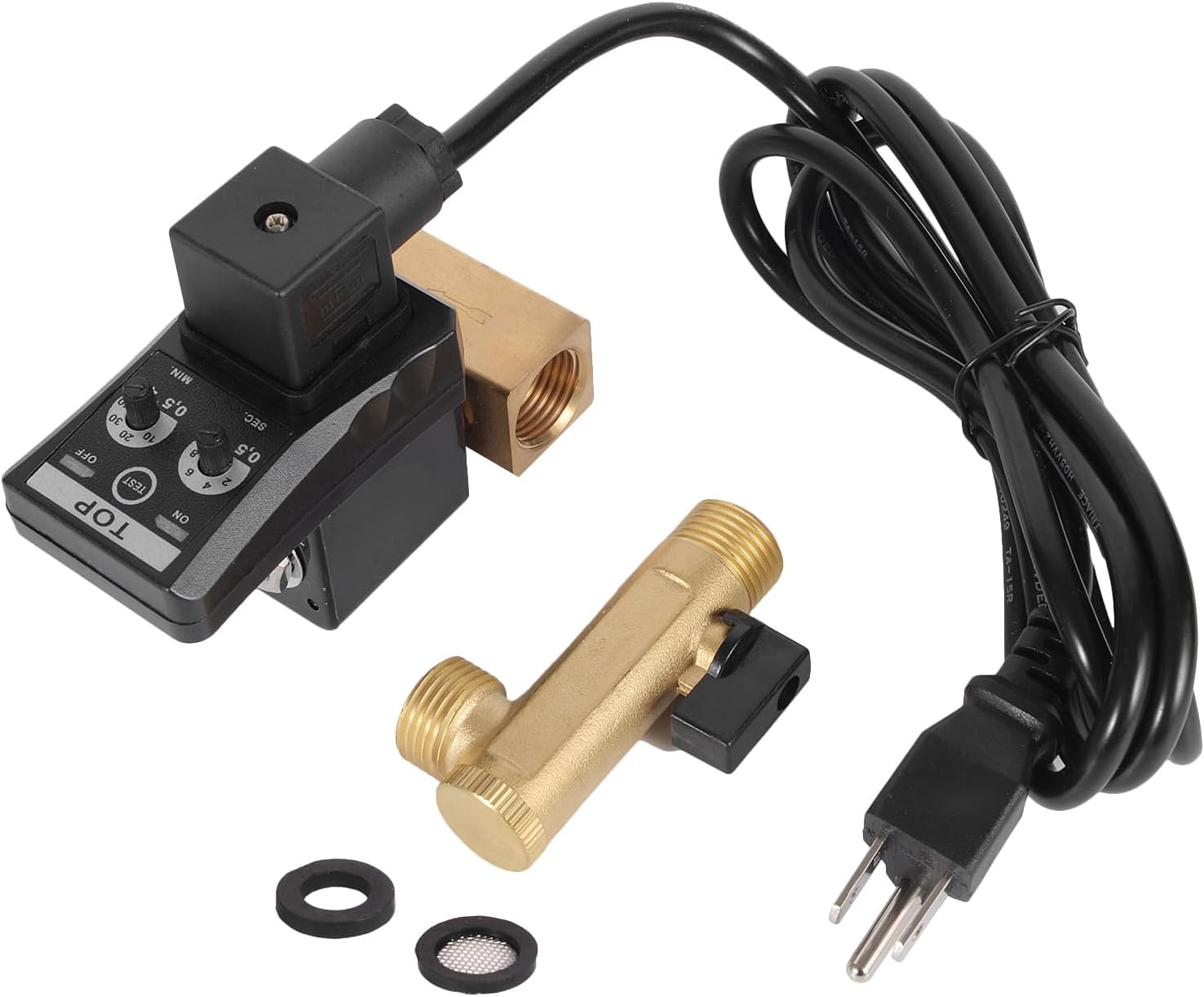
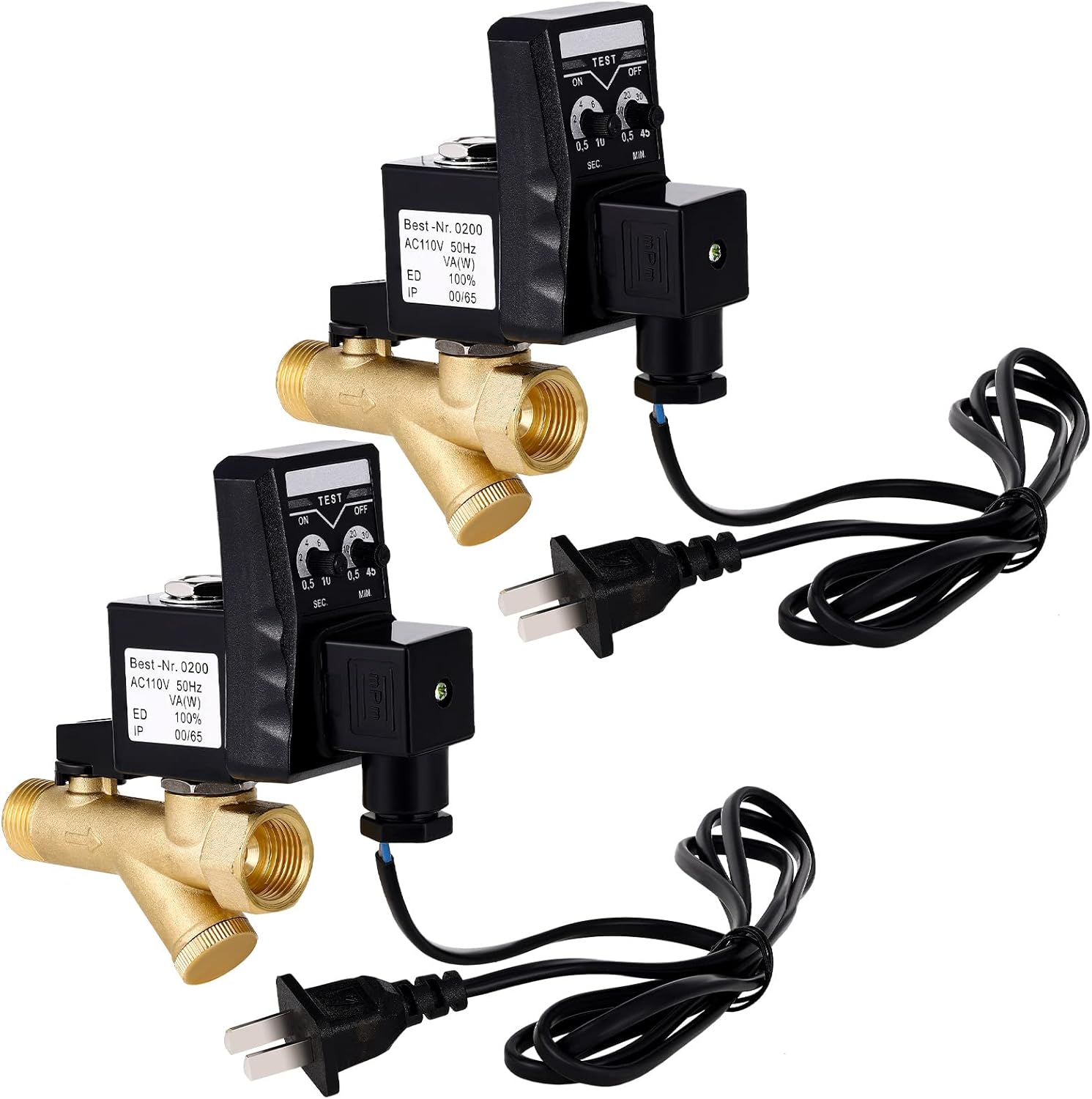
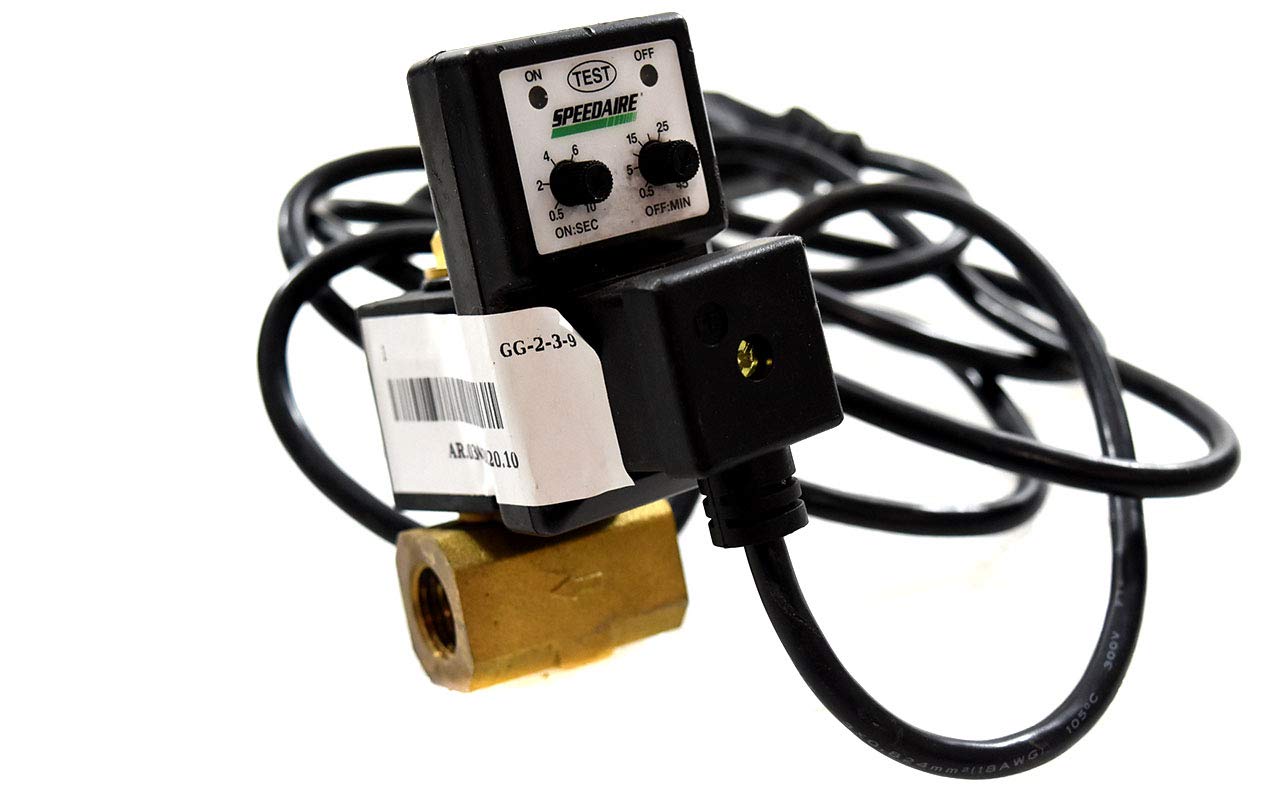
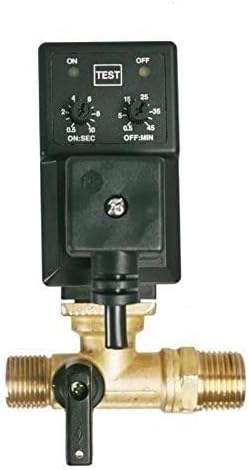
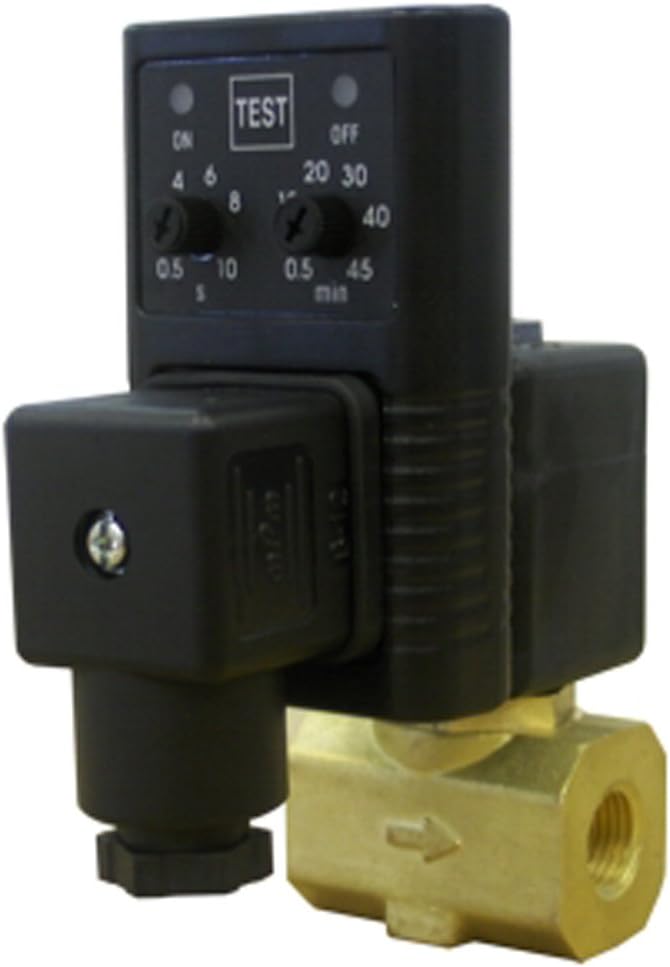
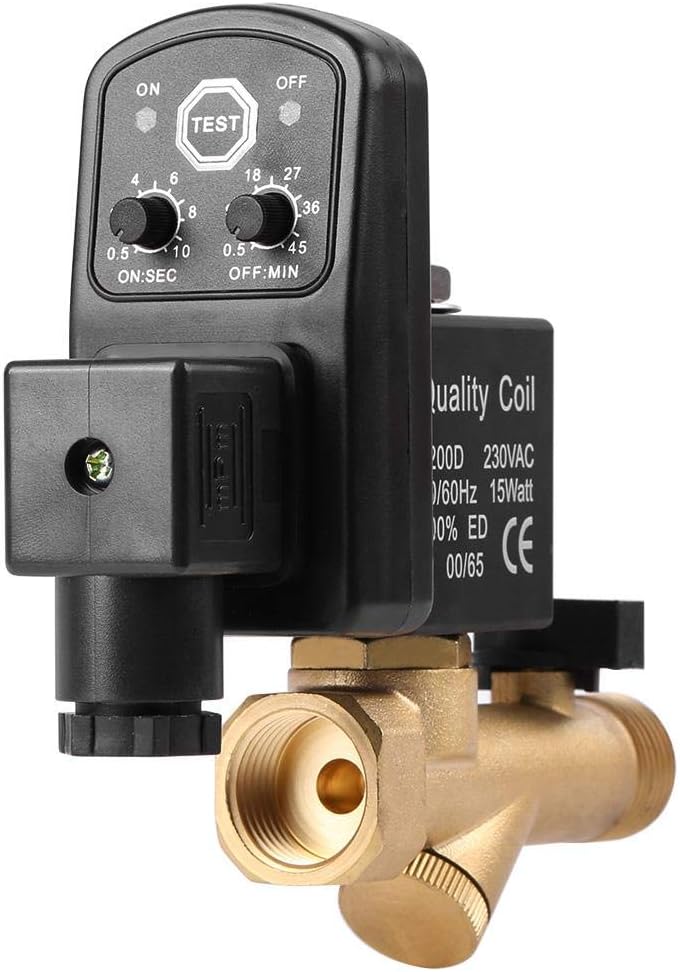
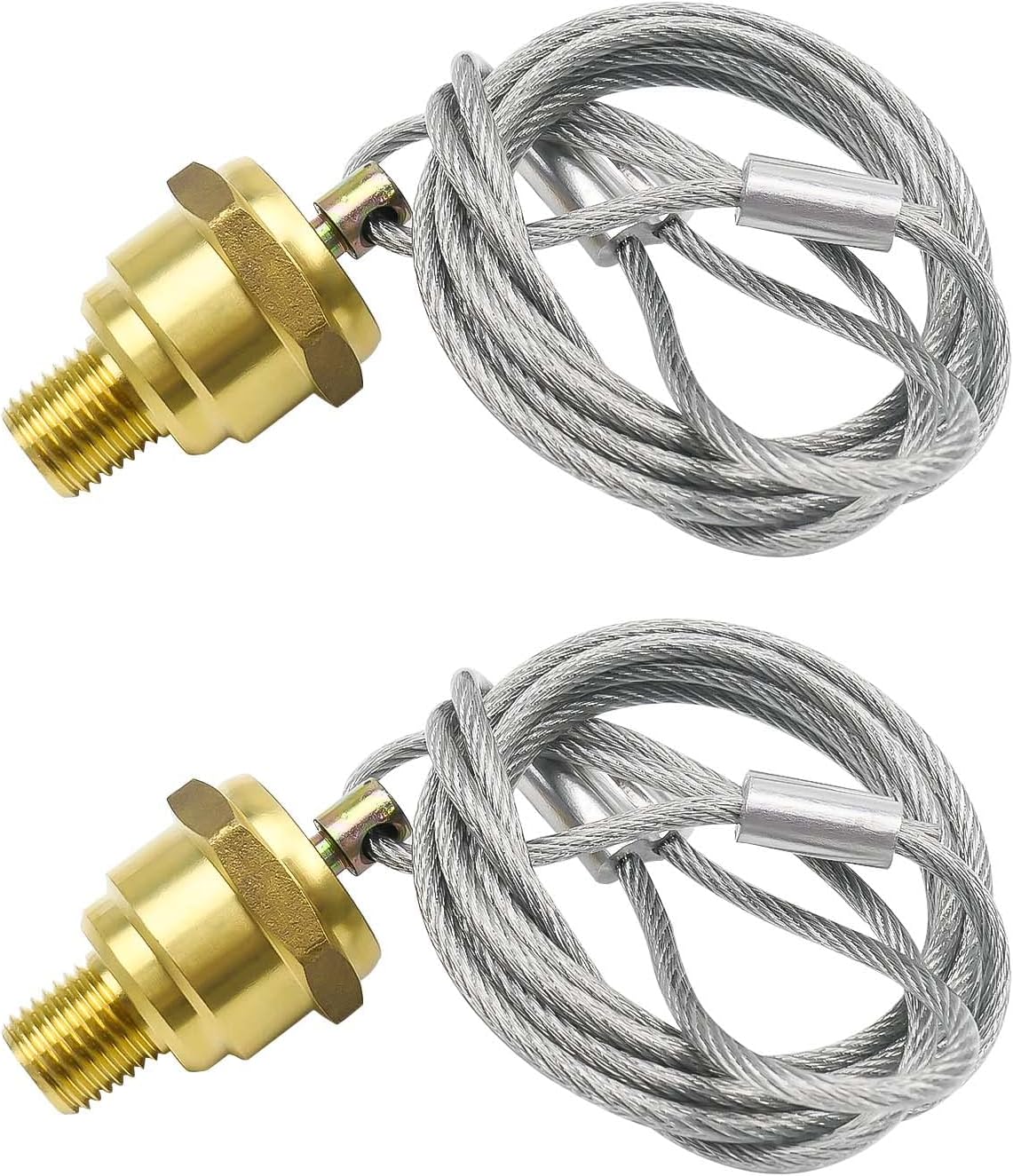
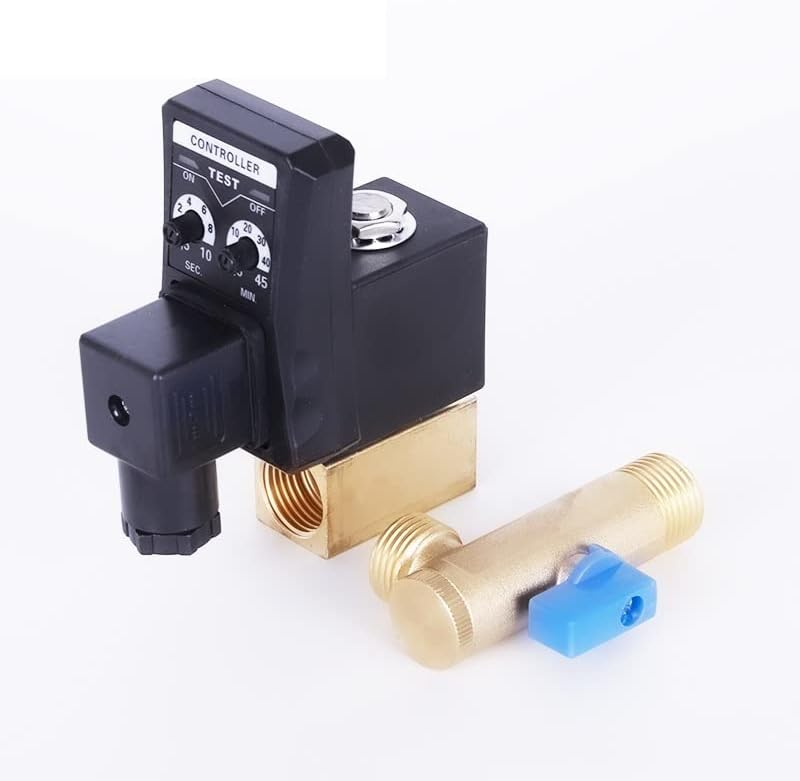
A Timer-Based Auto Drain Valve is a device used in compressed air, steam, or industrial piping systems to automatically remove accumulated condensate at preset intervals. The valve operates based on a timer mechanism that opens and closes the valve periodically, preventing condensate buildup without manual intervention.
- Automatically drains condensate at regular intervals.
- Reduces maintenance effort and manual operation.
- Prevents corrosion and damage in the system.
- Commonly used in compressed air and refrigeration systems.
Working Principle
The working of the timer-based auto drain valve is as follows:
- Timer Setting: A timer is set according to the required interval for drainage.
- Valve Opening: At the preset time, the timer sends a signal to the actuator or solenoid to open the valve.
- Drainage: The condensate accumulated in the system is discharged automatically.
- Valve Closing: After the preset duration, the timer signals the valve to close, maintaining system pressure.
Advantages: Ensures regular condensate removal, reduces maintenance, and improves system efficiency.
Diagram
       ┌───────────────┐
       │  Compressed   │
       │   Air Line    │
       └───────┬───────┘
               │
           ┌───▼───┐
           │ Drain │
           │ Valve │
           └───┬───┘
               │
        ┌──────▼──────┐
        │ Timer Unit  │
        └──────┬──────┘
               │
       ┌───────▼────────┐
       │ Condensate     │
       │ Collection     │
       │ Chamber        │
       └────────────────┘
Specification Sheet
| Parameter | Details |
|---|
| Model | [Enter Model No.] |
| Type | Timer-Based Auto Drain Valve |
| Application | Compressed Air / Steam / Industrial |
| Valve Type | Solenoid / Pneumatic / Electric |
| Connection Size | [e.g., 1/2″, 3/4″] |
| Operating Pressure | [e.g., 0.5 – 16 bar] |
| Operating Temperature | [e.g., -20°C to 80°C] |
| Drain Capacity | [e.g., 10 L/min] |
| Power Supply | [e.g., 24V DC / 220V AC] |
| Timer Range | [e.g., 0.5 – 60 min] |
| Material | Body: Brass / Stainless Steel |
| Protection Rating | [e.g., IP65] |
| Installation Orientation | Vertical / Horizontal |
| Maintenance | Minimal / Easy |
| Certification | [CE / ISO / Others] |
/* Container */
.timer-drain-content {
font-family: Arial, sans-serif;
max-width: 900px;
margin: 0px auto;
padding: 20px;
line-height: 1.7;
color: #333;
}
/* Headings */
.main-heading {
text-align: center;
font-size: 32px;
color: #336099;
margin-bottom: 0px;
font-weight: bold;
}
.section-heading {
font-size: 24px;
color: #336099;
margin-top: 15px;
margin-bottom: 15px;
font-weight: 600;
}
/* Diagram */
.diagram {
background: #f2f2f2;
padding: 15px;
border-left: 4px solid #336099;
font-family: monospace;
overflow-x: auto;
}
/* Table Styling */
.spec-table {
width: 100%;
border-collapse: collapse;
margin-top: 15px;
}
.spec-table th,
.spec-table td {
border: 1px solid #336099;
padding: 10px 15px;
text-align: left;
}
.spec-table th {
background-color: #e6f0ff;
color: #336099;
}
.spec-table tr:nth-child(even) td {
background-color: #f9f9f9;
}
Operational Definition
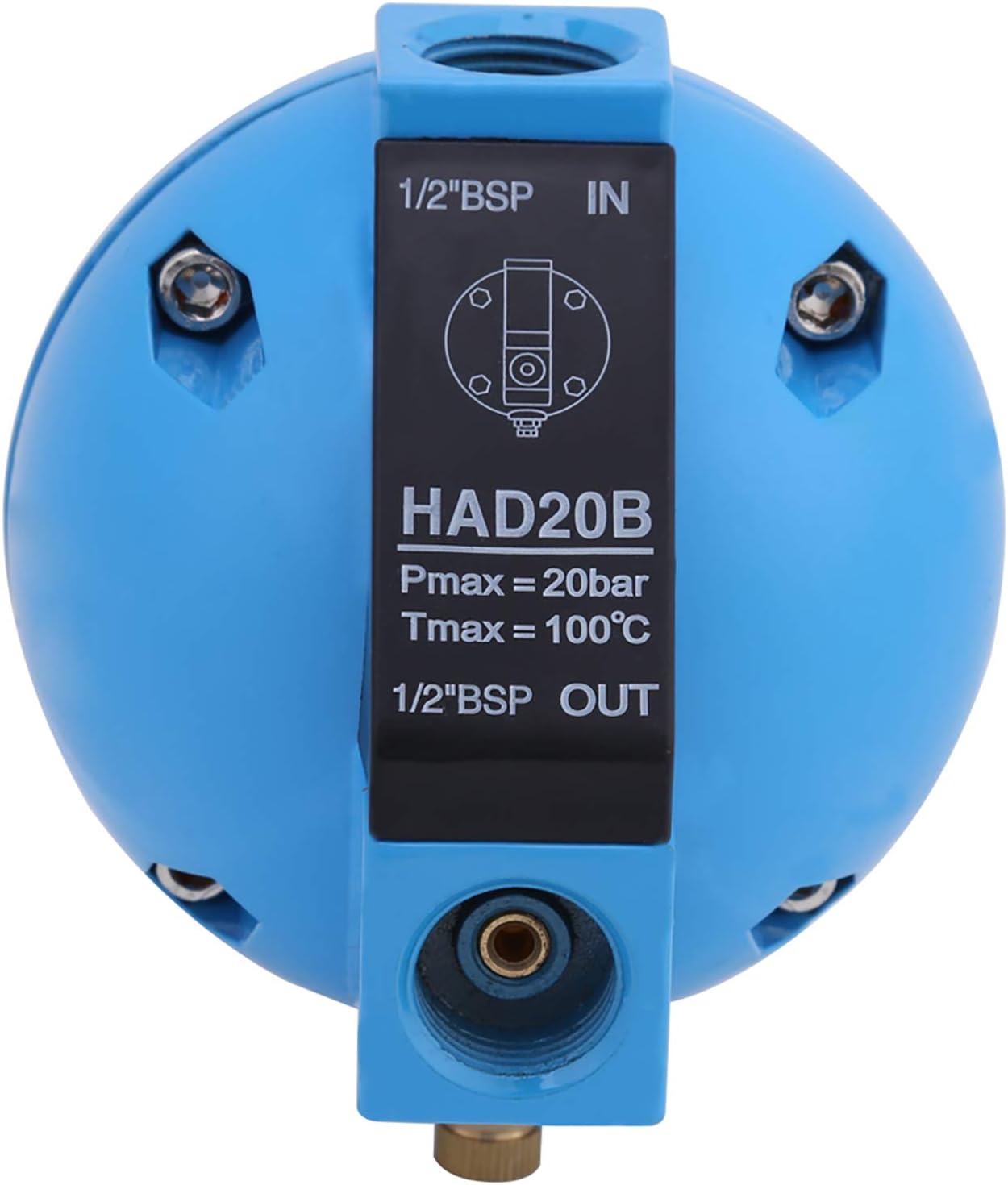
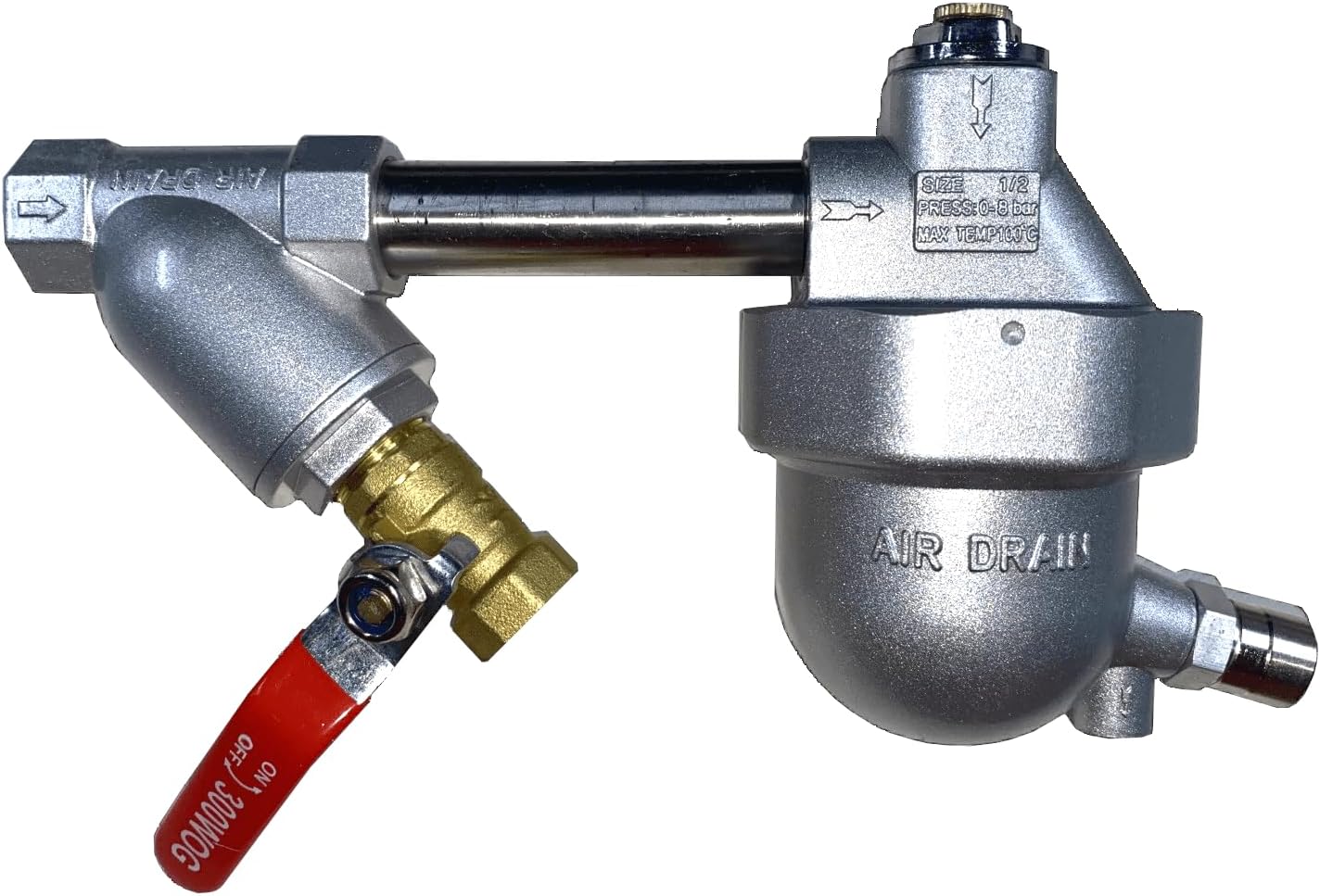
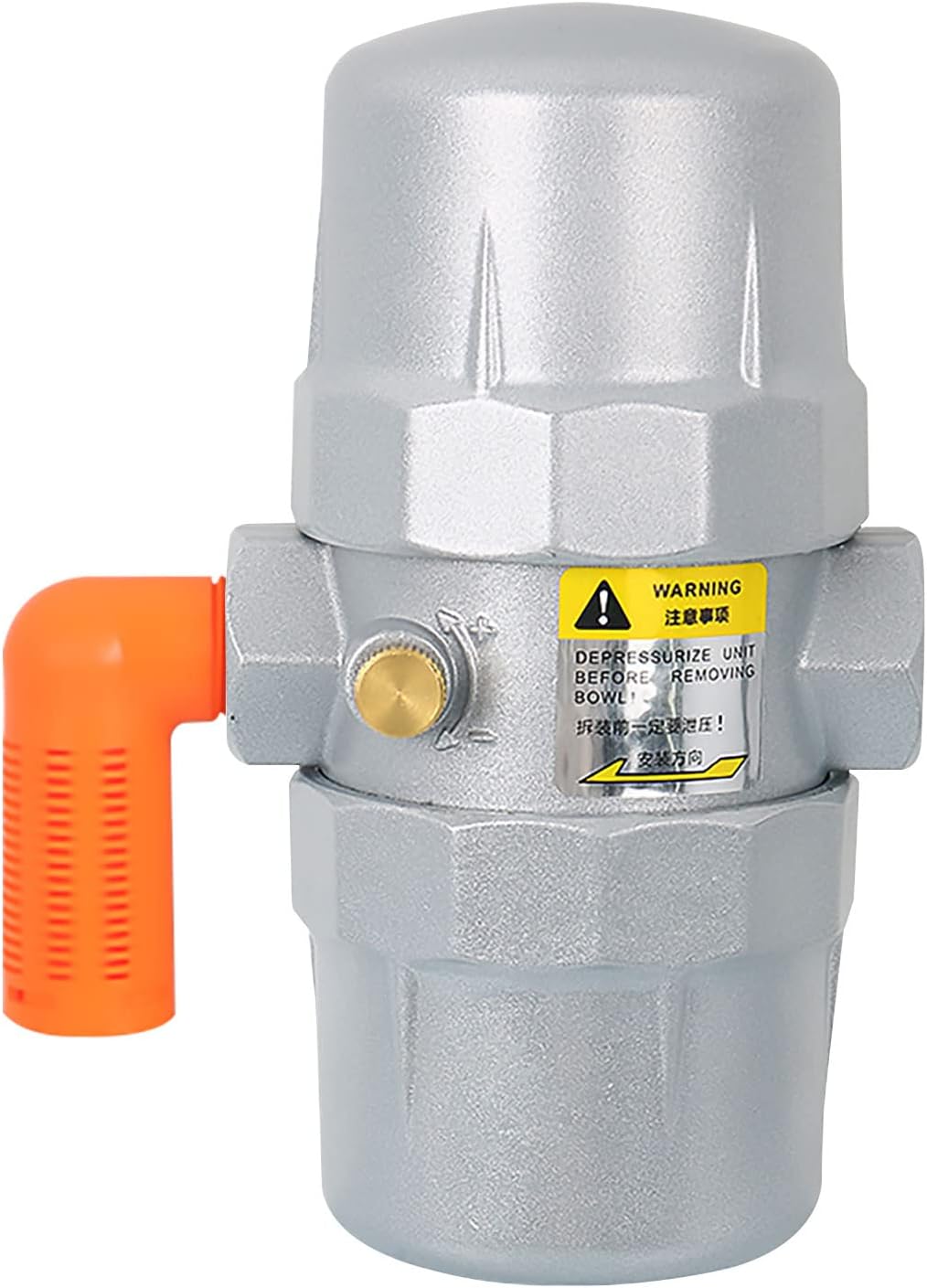
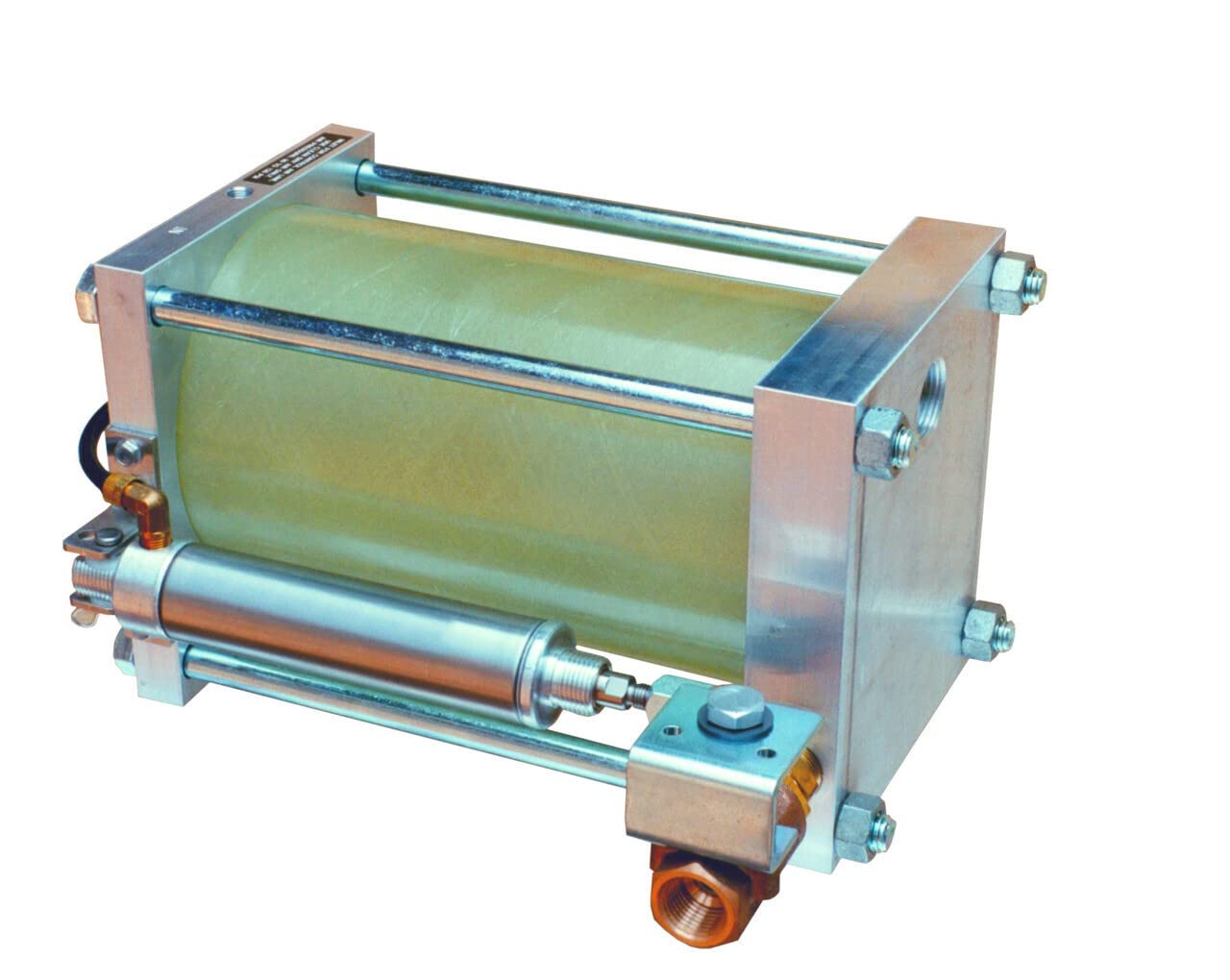
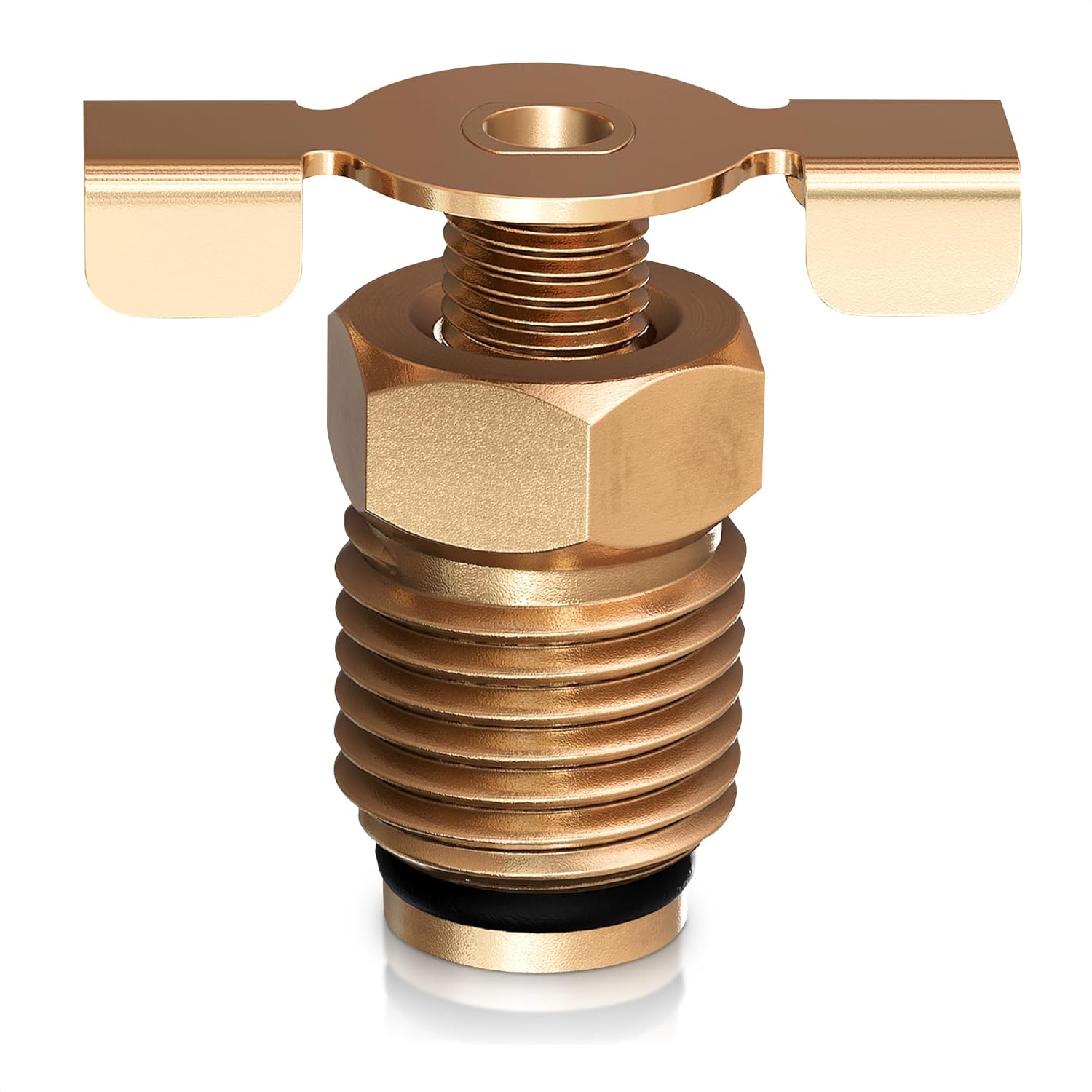
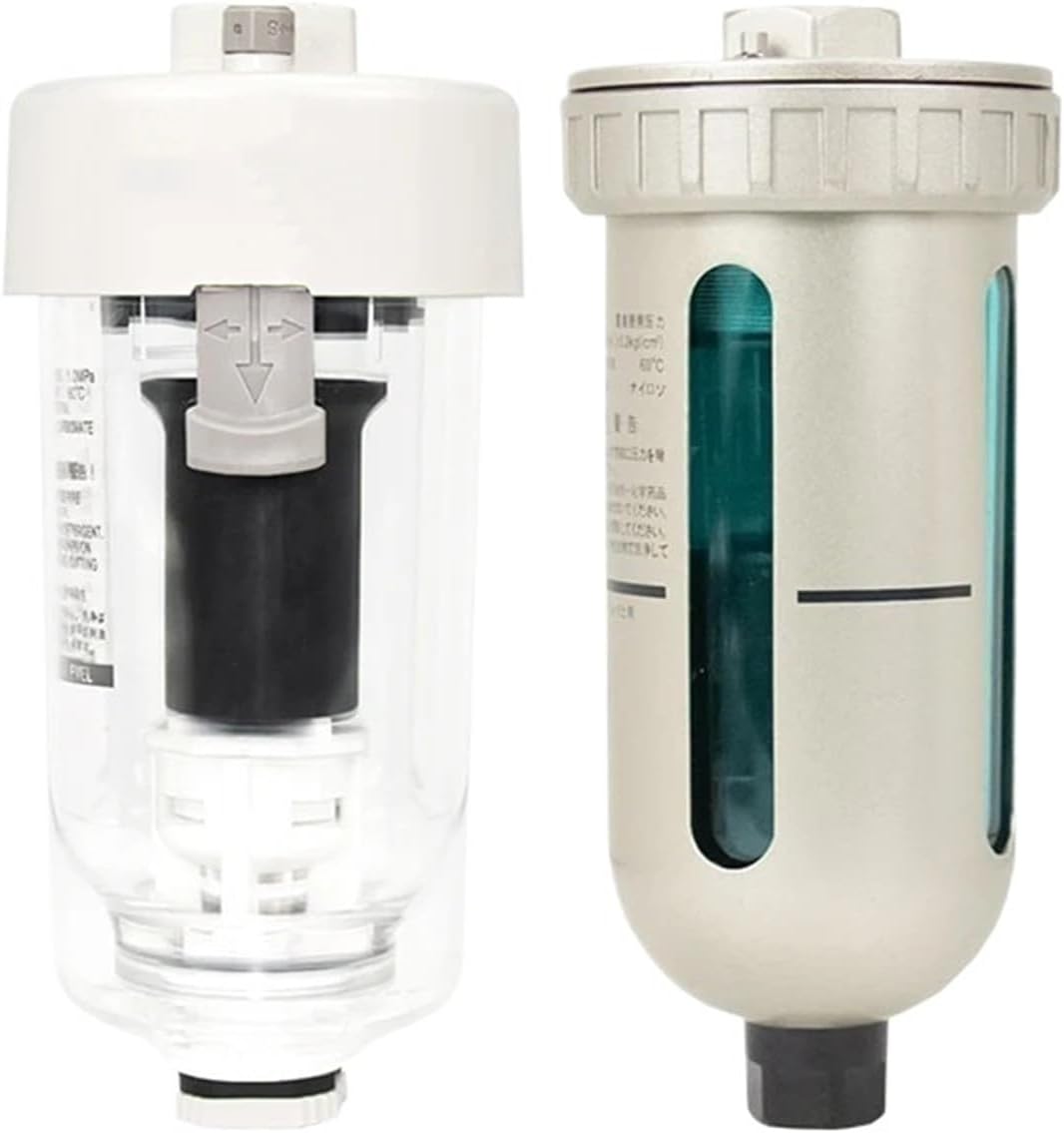
A Float-Type Mechanical Drain Valve is a device used in compressed air, steam, or industrial piping systems to automatically remove condensate from the system. It uses a mechanical float to sense the liquid level and opens the valve to discharge the condensate once it reaches a set level, without requiring any electrical power or sensors.
- Automatically removes condensate using a mechanical float.
- No electrical power or sensors required.
- Prevents corrosion and system damage.
- Commonly used in compressed air and steam systems.
Working Principle
The working of the float-type mechanical drain valve is as follows:
- Condensate Accumulation: Condensate collects in the drain chamber of the system.
- Float Rising: The mechanical float rises with the liquid level.
- Valve Opening: When the float reaches a certain height, it mechanically triggers the valve to open.
- Drainage: Condensate is discharged through the valve.
- Valve Closing: As the liquid level drops, the float lowers, and the valve closes automatically, maintaining system pressure.
Advantages: Simple design, reliable, low maintenance, and works without electricity.
Diagram
       ┌───────────────┐
       │  Compressed   │
       │   Air Line    │
       └───────┬───────┘
               │
           ┌───▼───┐
           │ Drain │
           │ Valve │
           └───┬───┘
               │
        ┌──────▼──────┐
        │ Mechanical  │
        │ Float Unit  │
        └──────┬──────┘
               │
       ┌───────▼────────┐
       │ Condensate     │
       │ Collection     │
       │ Chamber        │
       └────────────────┘
Specification Sheet
| Parameter |
Details |
| Model |
[Enter Model No.] |
| Type |
Float-Type Mechanical Drain Valve |
| Application |
Compressed Air / Steam / Industrial |
| Valve Type |
Mechanical / Float Operated |
| Connection Size |
[e.g., 1/2″, 3/4″] |
| Operating Pressure |
[e.g., 0.5 – 16 bar] |
| Operating Temperature |
[e.g., -20°C to 80°C] |
| Drain Capacity |
[e.g., 10 L/min] |
| Material |
Body: Brass / Stainless Steel |
| Installation Orientation |
Vertical / Horizontal |
| Maintenance |
Minimal / Easy |
| Certification |
[CE / ISO / Others] |
/* Container */
.float-drain-content {
font-family: Arial, sans-serif;
max-width: 900px;
margin: 0px;
padding: 20px;
line-height: 1.7;
color: #333;
}
/* Headings */
.main-heading {
text-align: center;
font-size: 32px;
color: #336099;
margin-bottom: 0px;
font-weight: bold;
}
.section-heading {
font-size: 24px;
color: #336099;
margin-top: 0px;
margin-bottom: px;
font-weight: 600;
}
/* Diagram */
.diagram {
background: #f2f2f2;
padding: 15px;
border-left: 4px solid #336099;
font-family: monospace;
overflow-x: auto;
}
/* Table Styling */
.spec-table {
width: 100%;
border-collapse: collapse;
margin-top: 15px;
}
.spec-table th,
.spec-table td {
border: 1px solid #336099;
padding: 10px 15px;
text-align: left;
}
.spec-table th {
background-color: #e6f0ff;
color: #336099;
}
.spec-table tr:nth-child(even) td {
background-color: #f9f9f9;
}